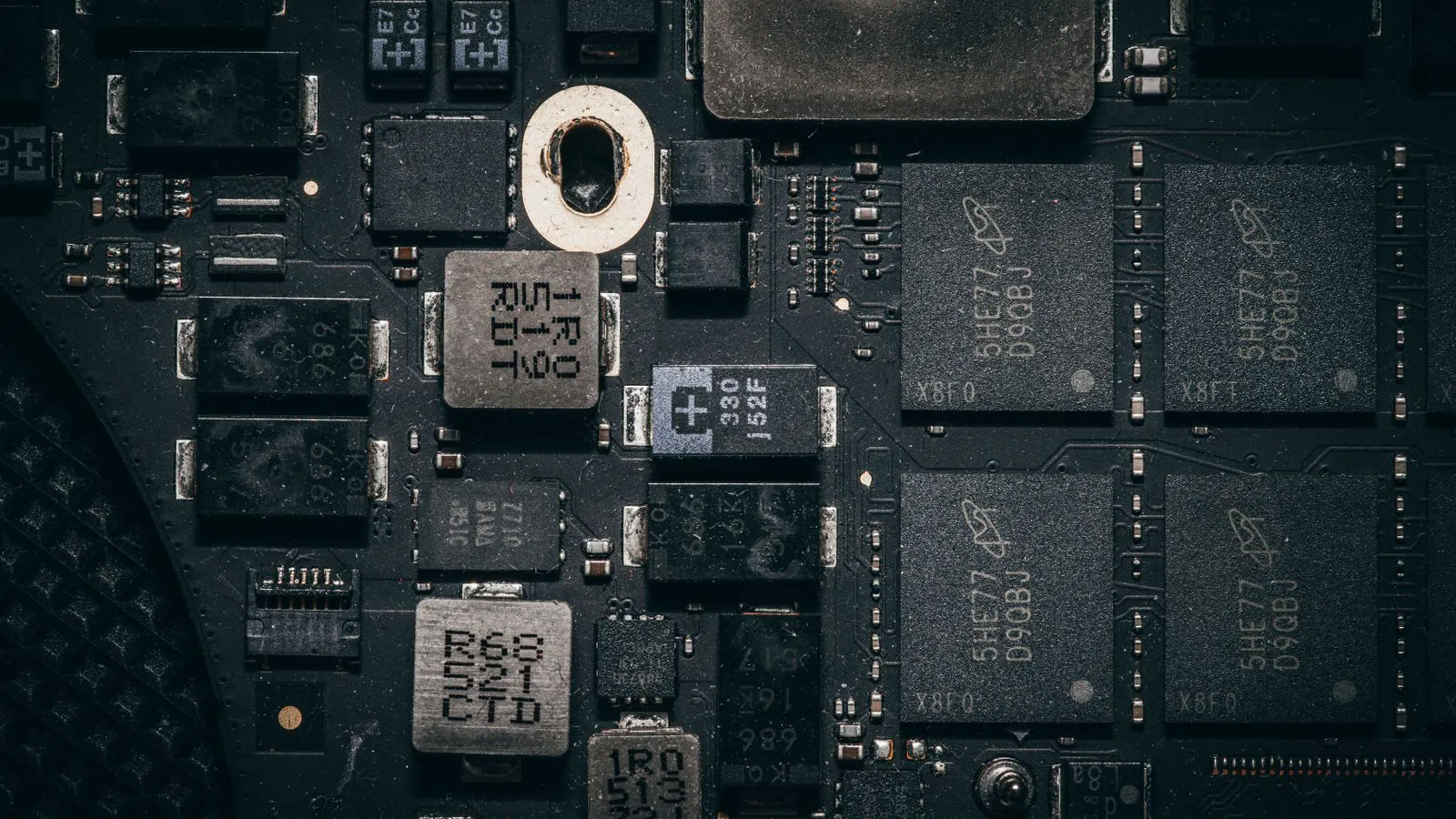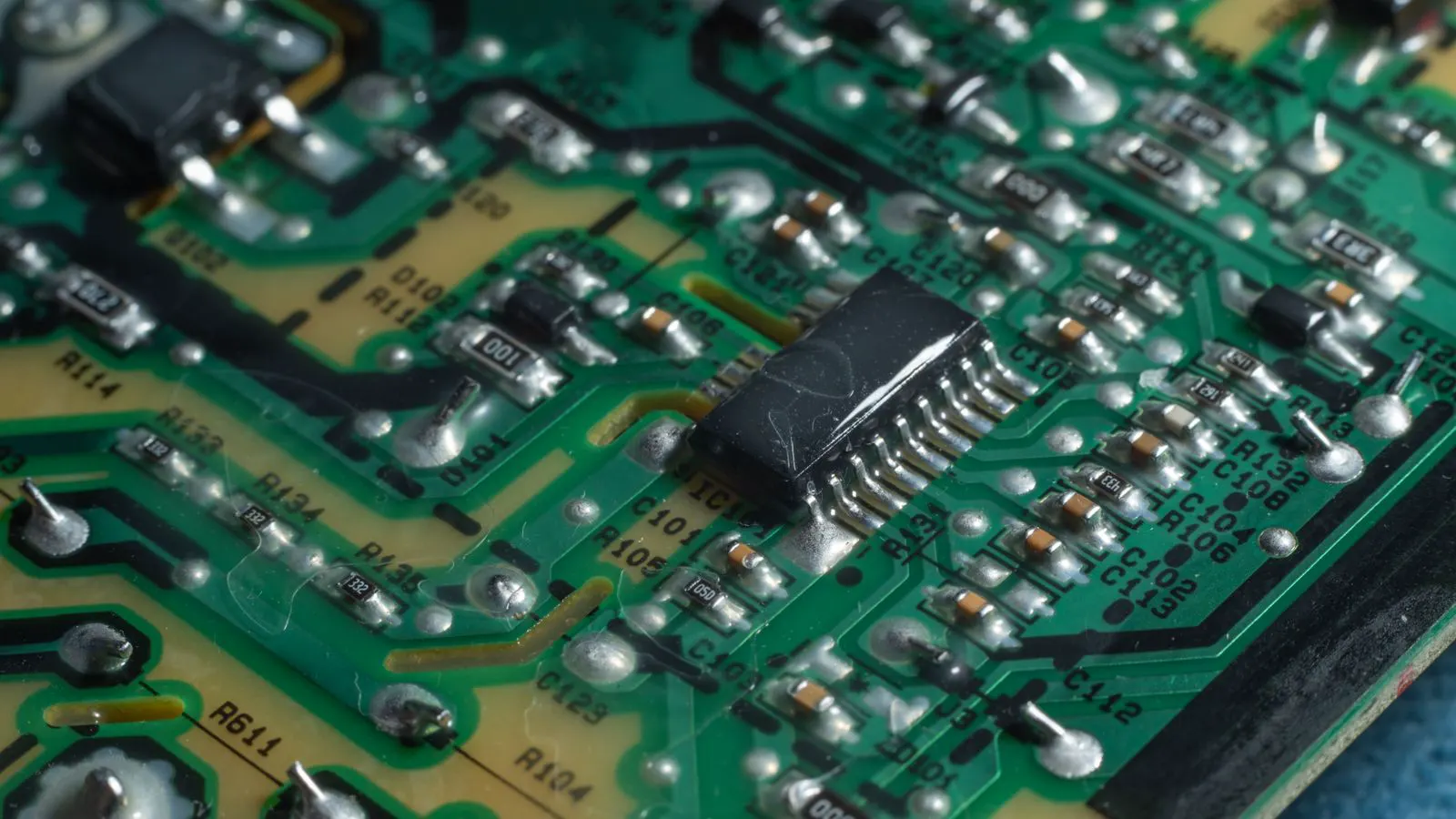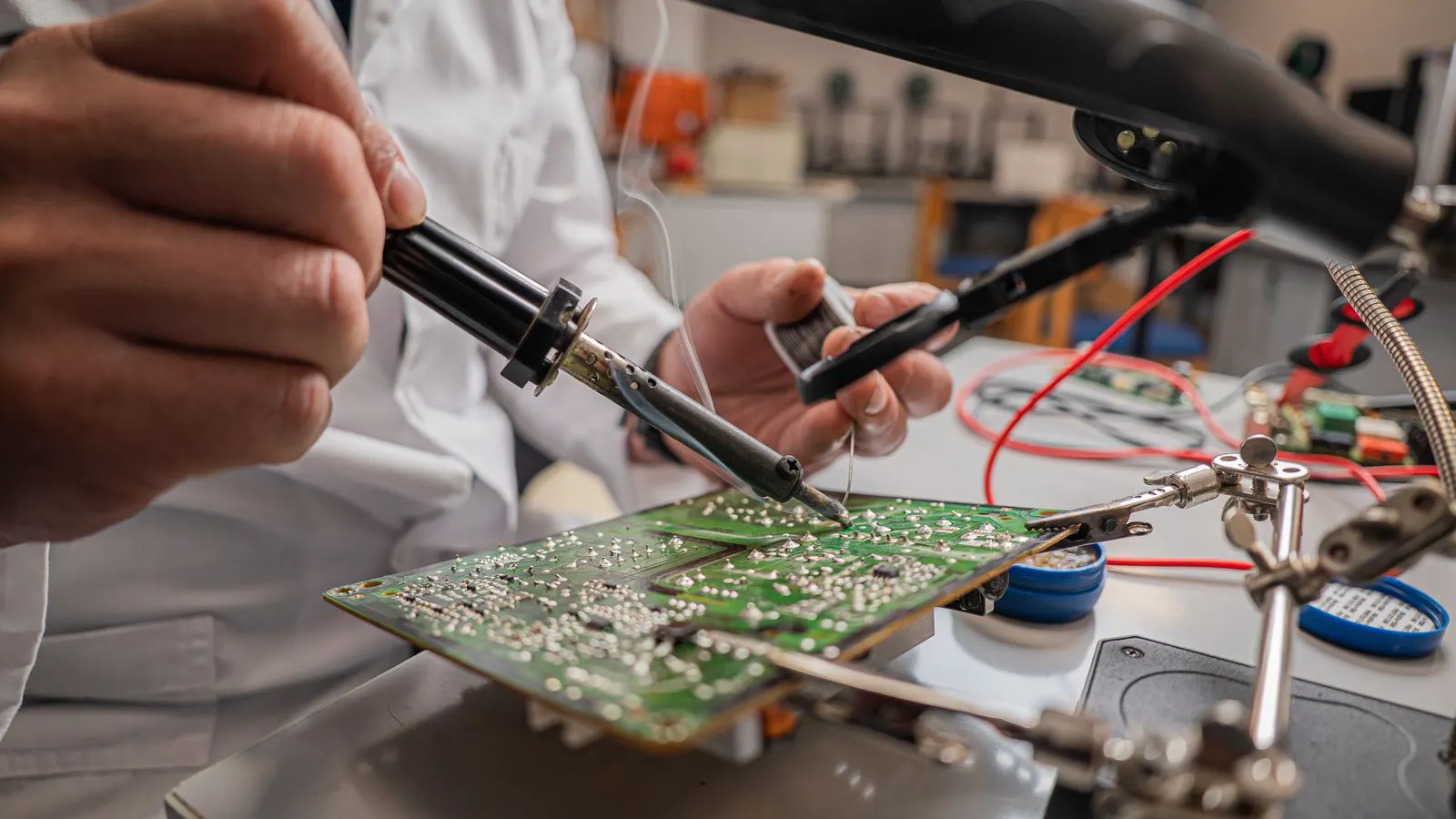
This guide outlines a structured approach to power IC sourcing, covering supplier qualification, procurement strategy, and technical evaluation criteria. It helps buyers reduce risk, verify quality, and build resilient supply chains for power integrated circuits.
- Start with clear technical specifications and application requirements before contacting suppliers.
- Use a documented supplier qualification process to verify quality, capacity, and compliance.
- Diversify your supply chain with multiple qualified sources to protect against lead time and allocation risks.
- Monitor market conditions and build long term relationships with distributors and manufacturers.
- Keep procurement records and update your evaluation criteria as your power IC portfolio evolves.
Define your power IC requirements before sourcing
Start with the application. A power IC selection is not just about finding a part that switches. It is about matching voltage, current, thermal behavior, and package type to the specific load. For a motor drive controller, a MOSFET based power stage may need high current and low RDS(on) to minimize conduction losses at high duty cycles. For a battery charger, a power IC with integrated gate drive and protection logic fits a different profile, often requiring precise current limiting and soft-start features to manage the inrush current during battery connection.
Write down the exact specifications. Include maximum voltage, continuous and peak current, switching frequency, thermal resistance, and package size. If the design uses a specific package, such as a DFN or QFN, state that clearly. Suppliers respond faster when they see a complete datasheet requirement rather than a vague request for a “high power MOSFET.” A vague request delays quotes and increases the risk of receiving a part that fails in the final assembly due to package size constraints or thermal limits.
Also define the quantity and delivery schedule. A prototype run of fifty units needs a different procurement path than a production run of ten thousand units per month. Note any special handling requirements, such as humidity sensitive packaging or reflow profile constraints. For example, a part requiring a specific lead-free solder mask may need a different inspection protocol than a standard leaded component. Specify the target reflow temperature profile if the component is sensitive to heat exposure, particularly for thin-film integrated circuits or power modules with specific die attach materials.
Understand the power IC sourcing supply chain
Power IC sourcing involves several distinct parties. The manufacturer designs and fabes the silicon. Distributors hold inventory and provide technical support. Second source manufacturers may produce the same part number under license. Each link in this chain affects availability and cost.
Manufacturers hold the master design data and process control. They are the best source for long term roadmaps and engineering support. If a part is nearing end-of-life or undergoing a design revision, the manufacturer is the only party with authoritative documentation. They can provide detailed failure analysis reports and specific application notes that clarify safe operating areas under transient conditions.
Distributors provide faster turnaround for standard parts and help with last minute allocation. They often carry safety stock for high demand items, which allows you to bypass the direct manufacturer lead time. However, distributors may not have access to the latest internal engineering data or the ability to approve non-standard design changes. They act as a buffer between the fab and the assembly line.
Second source parts can reduce risk, but you must verify that the second source holds the same qualification status as the first source. A second source may use a different wafer process or a slightly different gate drive topology. Even if the pinout is identical, the thermal characteristics or switching speed may differ. Always check the datasheet revision date and the manufacturer’s application notes to confirm that the second source meets the exact same specification limits.
Set up a supplier qualification process
Supplier qualification is the core of reliable power IC sourcing. It is a documented process that tests a supplier’s ability to meet your quality, quantity, and delivery commitments. A typical qualification process includes the following steps.
- Technical review. Compare the supplier’s datasheet, application notes, and failure analysis reports against your requirements. Look for discrepancies in the maximum junction temperature or the recommended gate drive resistance. If the datasheet specifies a minimum gate drive current, verify that your driver circuit can deliver that current within the allowed voltage envelope.
- Sample evaluation. Order a small quantity for bench testing. Measure switching loss, thermal behavior, and noise performance. Run the samples through a thermal stress test at the maximum expected ambient temperature. Check for any unexpected thermal runaway behavior or increased gate charge over time.
- Quality audit. Review the supplier’s ISO or IATF certification, process control records, and nonconformance reports. Check how they handle batch traceability. Can they trace a specific lot back to the wafer start date and the specific fab line? This level of traceability is critical for debugging field failures.
- Capacity check. Ask about fab capacity, wafer start schedules, and inventory depth. Inquire about their current yield rates for the specific process node used for your part. Low yield rates can lead to higher costs and longer lead times as the fab runs more wafers to achieve the same quantity of good units.
- Financial review. Check the supplier’s financial health and any recent ownership changes. A supplier undergoing a merger or a major capital expenditure may change its production priorities. Understanding their financial standing helps you anticipate potential delays or service reductions.
Keep records of every check. If a supplier passes qualification today, those records become your evidence base if the part fails in the field. They also support your case when you need to push back on a price increase or a delivery delay. Document the specific test results and the date of the audit. This creates an objective baseline for future comparisons.
Evaluate suppliers using these criteria
Not all suppliers are equal. Use a structured evaluation framework to compare options. The table below lists the key criteria to review during supplier qualification and procurement planning.
| Criterion | What to look for | Why it matters |
|---|---|---|
| Technical compliance | Datasheet match, application notes, thermal models | Ensures the part meets your design limits and failure modes are understood |
| Quality certifications | ISO, IATF, or equivalent process control standards | Indicates a disciplined manufacturing environment with documented procedures |
| Capacity and lead time | Wafer start cadence, inventory levels, quoted lead time | Directly affects your ability to meet production schedules |
| Financial stability | Revenue trends, ownership structure, debt levels | Reduces the risk of supplier insolvency or sudden business changes |
| Second source availability | Qualified alternate manufacturers or part numbers | Provides a fallback if the primary source fails or is allocated |
| Technical support | Response time, application engineers, failure analysis capability | Shortens debugging cycles and supports long term design maintenance |
Weight each criterion based on your specific risk profile. A startup with a small budget may prioritize lead time over formal audits. An automotive buyer must weight quality certifications and second source availability much more heavily. For a consumer electronics product with a high volume but lower criticality, cost and availability might take precedence, but the technical support criterion should still be evaluated to ensure you have access to engineering help during the design phase.
Manage procurement and inventory risk
Power IC sourcing is sensitive to market shifts. Demand surges in electric vehicles, industrial automation, and data center power supplies can tighten allocation on high performance power stages. Procurement strategy must account for this volatility.
Build a buffer for critical parts. For high value or long lead time power ICs, stock one to three months of production demand. Do not overstock slow moving items. Use demand forecasts to adjust buffer levels. Review these forecasts quarterly and after any major design change. If a new product line is added, update the buffer calculation for all shared components. This prevents a shortage in one product from starving another.
Negotiate price breaks and long term agreements. A committed volume agreement can lock in a price range and reserve capacity. In exchange, you accept a minimum purchase commitment. Make sure the contract includes clear terms for force majeure events, price escalation, and delivery penalties. Define what happens if the supplier cannot meet the minimum volume. Do you have the right to purchase a portion of the committed volume at the locked price, or is the entire commitment void? Clarity here avoids disputes during a market downturn.
Keep a list of acceptable substitutes. If a specific power IC becomes difficult to source, you need a pre qualified alternate that you have already bench tested. This saves weeks of engineering time when a shortage hits. Test the alternate under the same conditions as the primary part. Verify that the alternate has the same thermal profile and does not require any changes to the surrounding PCB layout or driver circuitry.
Monitor your supply chain continuously
Supplier qualification is not a one time event. Power IC sourcing requires ongoing monitoring. Track each supplier’s performance against your KPIs.
- On time delivery rate
- First pass yield
- Defect rate per million units
- Response time to technical queries
- Documented nonconformance trend
Review these metrics monthly. If a supplier’s defect rate trends upward, escalate it immediately. Do not wait for a field failure to notice a quality problem. A rising defect rate often indicates a process drift that can be corrected before it reaches your production line.
Also watch for market signals. Look for changes in lead time quotes, price increases, and allocation notices from distributors. A sudden shift in lead time is often an early warning that capacity is tight. Adjust your buffer and sourcing plan before the problem hits your production line. If a distributor starts quoting a longer lead time for a standard part, assume that the manufacturer is facing a wafer shortage. Proactive adjustment allows you to secure inventory from alternative channels.
Build a long term sourcing strategy
Reliable power IC sourcing is a relationship, not a transaction. Identify a primary supplier and a secondary source for each critical part. Keep both suppliers engaged with regular reviews and design updates.
Share your roadmaps with key suppliers. If you are planning a major product launch, tell them six to twelve months in advance. This allows them to reserve fab capacity and allocate inventory. In return, you get better lead time visibility and a stronger negotiating position. Suppliers are more likely to prioritize orders from customers who provide early visibility into their volume plans.
Document everything. Your procurement records, qualification reports, and performance metrics form the foundation of your supply chain resilience. If you change suppliers or update designs, you can trace the decision back to specific data. Maintain a centralized repository for these documents. This ensures that new team members can quickly understand the sourcing history and the rationale behind current decisions.
Decision checklist for power IC sourcing
Before you place a purchase order, run through this checklist. It takes five minutes and prevents most sourcing errors.
- Is the part specification frozen and documented?
- Have you qualified at least one alternate source?
- Do you have the required inventory buffer for this part?
- Is the supplier’s quality audit current?
- Have you reviewed the most recent datasheet revision?
- Is the lead time quoted by the supplier aligned with your production schedule?
- Do you have a clear escalation path if delivery is delayed?
If any answer is no, pause the order. Fix the gap first. A delayed order is cheaper than a production stoppage.
Frequently asked questions
How often should I re qualify a power IC supplier?
Re qualify suppliers at least every two years or after any major change in the part, such as a new process node or package. Shorten the cycle if the supplier has had quality issues or if your application requirements change.
Can I use a second source without re testing the part?
No. A second source must go through its own qualification. Even if the part number is identical, the fab process may differ. Run the same bench tests and reliability checks you performed on the first source.
What is the minimum buffer I should keep for critical power ICs?
There is no universal minimum. A general starting point is one to three months of demand for long lead time parts. Adjust based on your supplier's delivery reliability and the criticality of the part to your final product.
How do I handle a sudden price increase from a supplier?
Review your contract for price escalation clauses. If there is none, open a negotiation citing your committed volume and the cost of switching sources. If the price is not negotiable, accelerate your alternate source qualification.
Do I need a supplier audit for every new power IC?
For low value, high volume parts, a lighter audit may be enough. For high value or safety critical power ICs, conduct a full quality audit. The depth of the audit should match the risk of the part in your final product.