Counterfeit Prevention
Distributor vs Broker: Spotting Risk in Component Sourcing
Distributors offer traceability but higher costs, while brokers provide flexibility at the expense of documentation. This guide breaks down the risk profile of each
Strategies and inspection techniques for identifying counterfeit components, ensuring supply chain integrity and product reliability.
Distributors offer traceability but higher costs, while brokers provide flexibility at the expense of documentation. This guide breaks down the risk profile of each
Neither approach alone is enough. Component verification requires pairing traceability records with authentication methods to catch counterfeits at both the document and
Supply chain security is shifting from simple paperwork to continuous digital verification. Engineers and buyers must plan for stronger traceability, advanced
This guide explains how to evaluate suppliers, verify component authenticity, and secure your supply chain. It provides practical criteria for selecting genuine
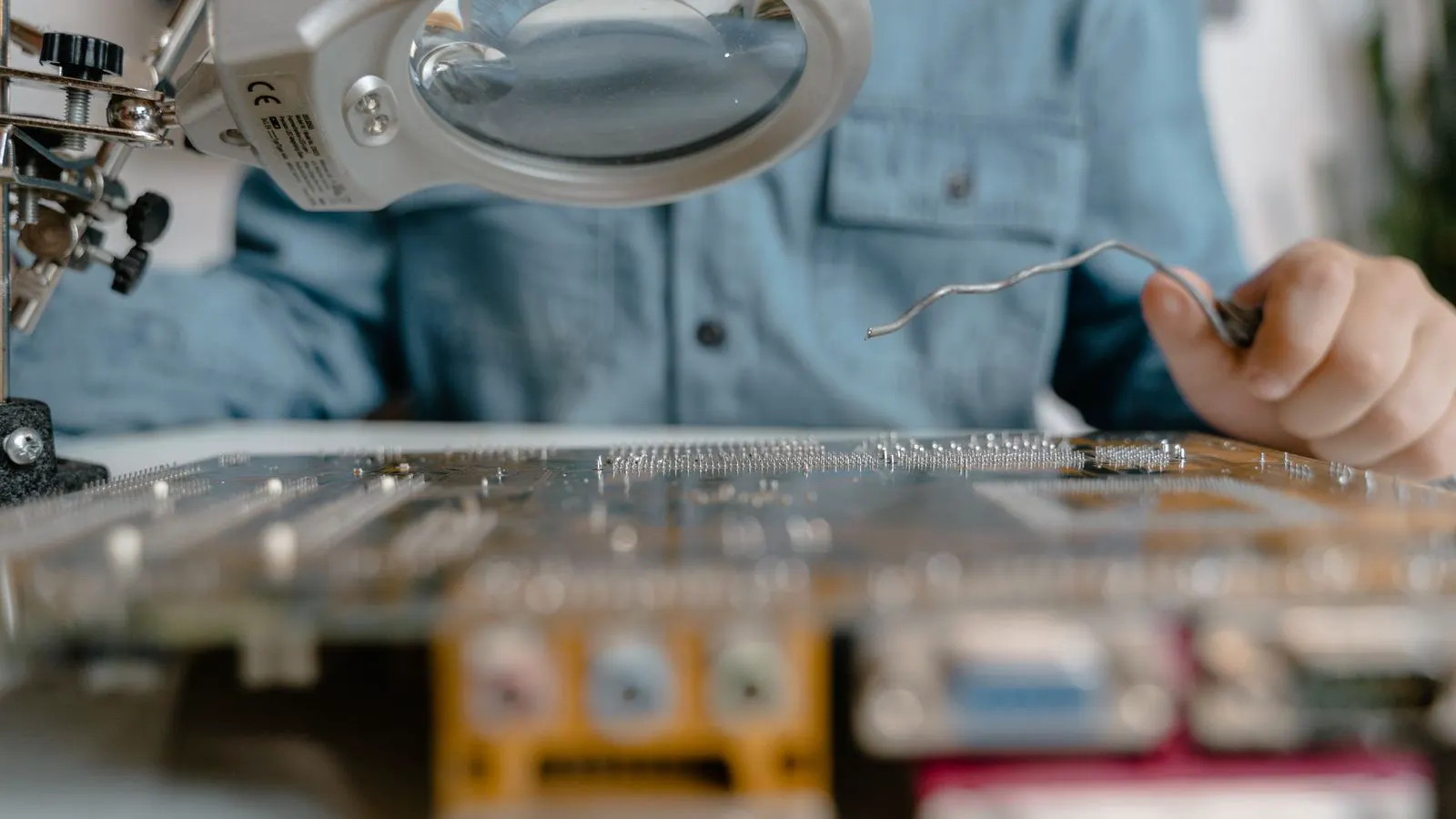
This guide provides a practical counterfeit detection checklist for incoming inspection. It covers visual checks, documentation review, and testing protocols to verify
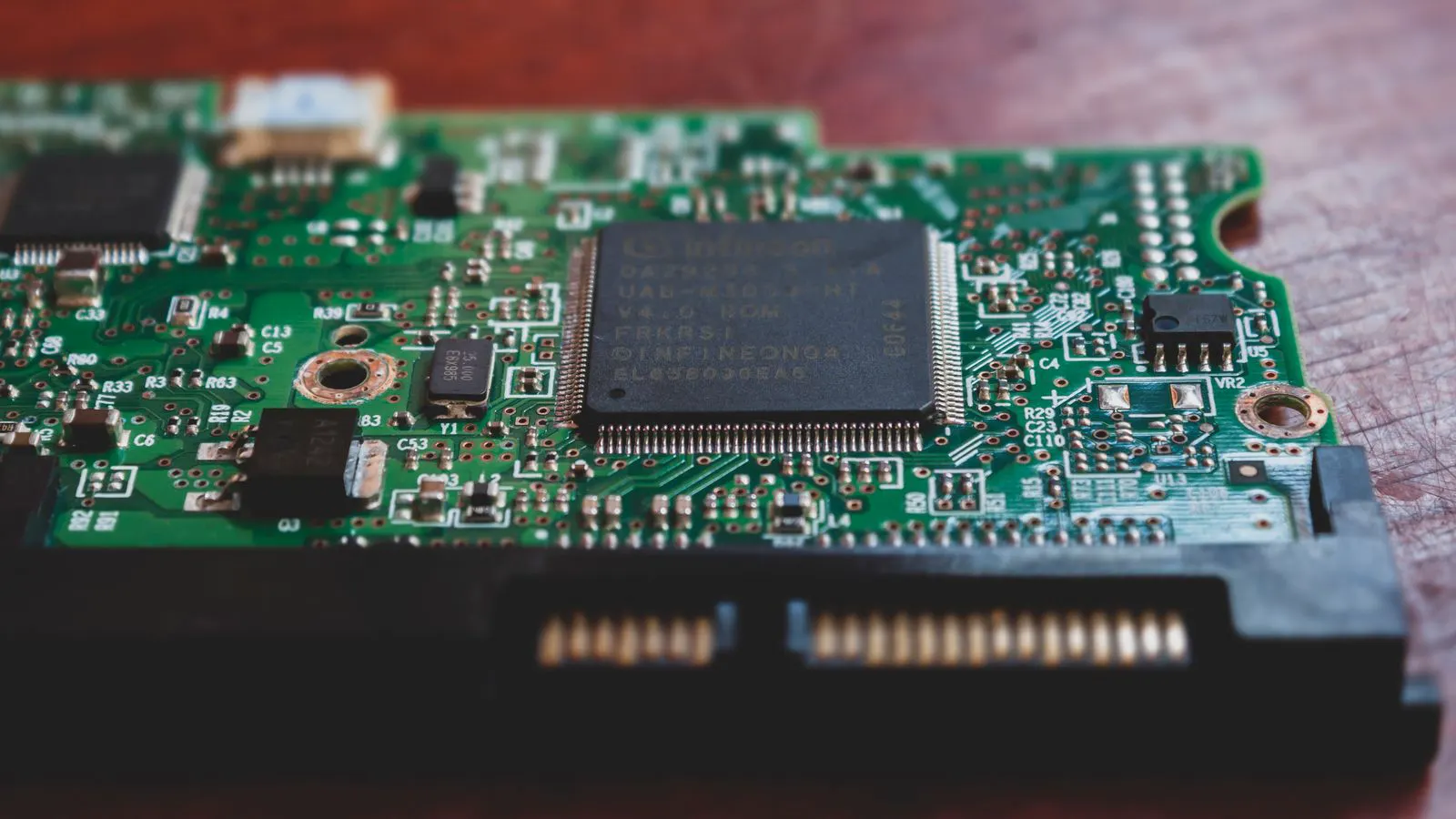
Anti-counterfeit technology uses physical, digital, and chemical methods to detect fake electronic components. These tools help buyers verify part authenticity through
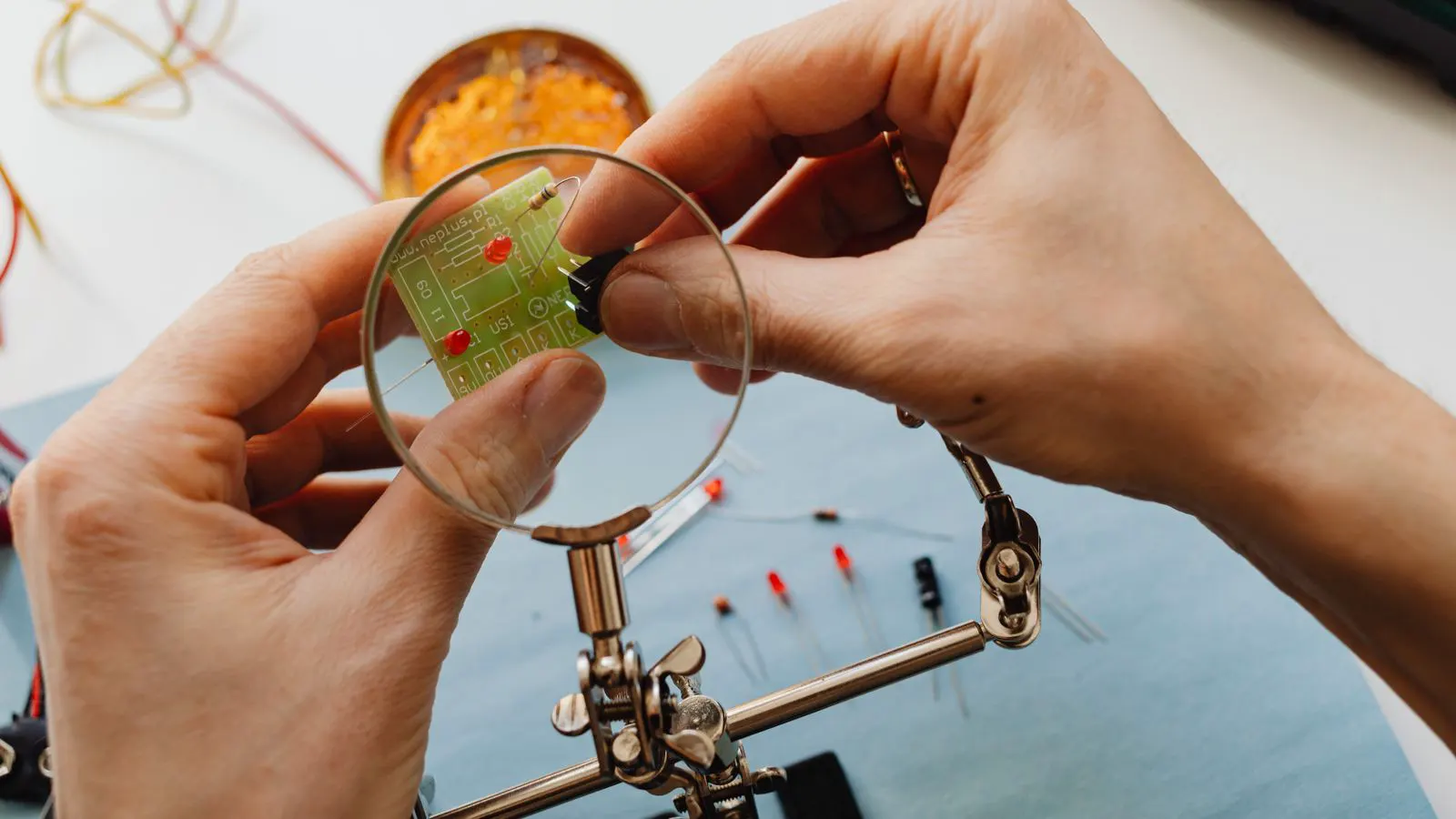
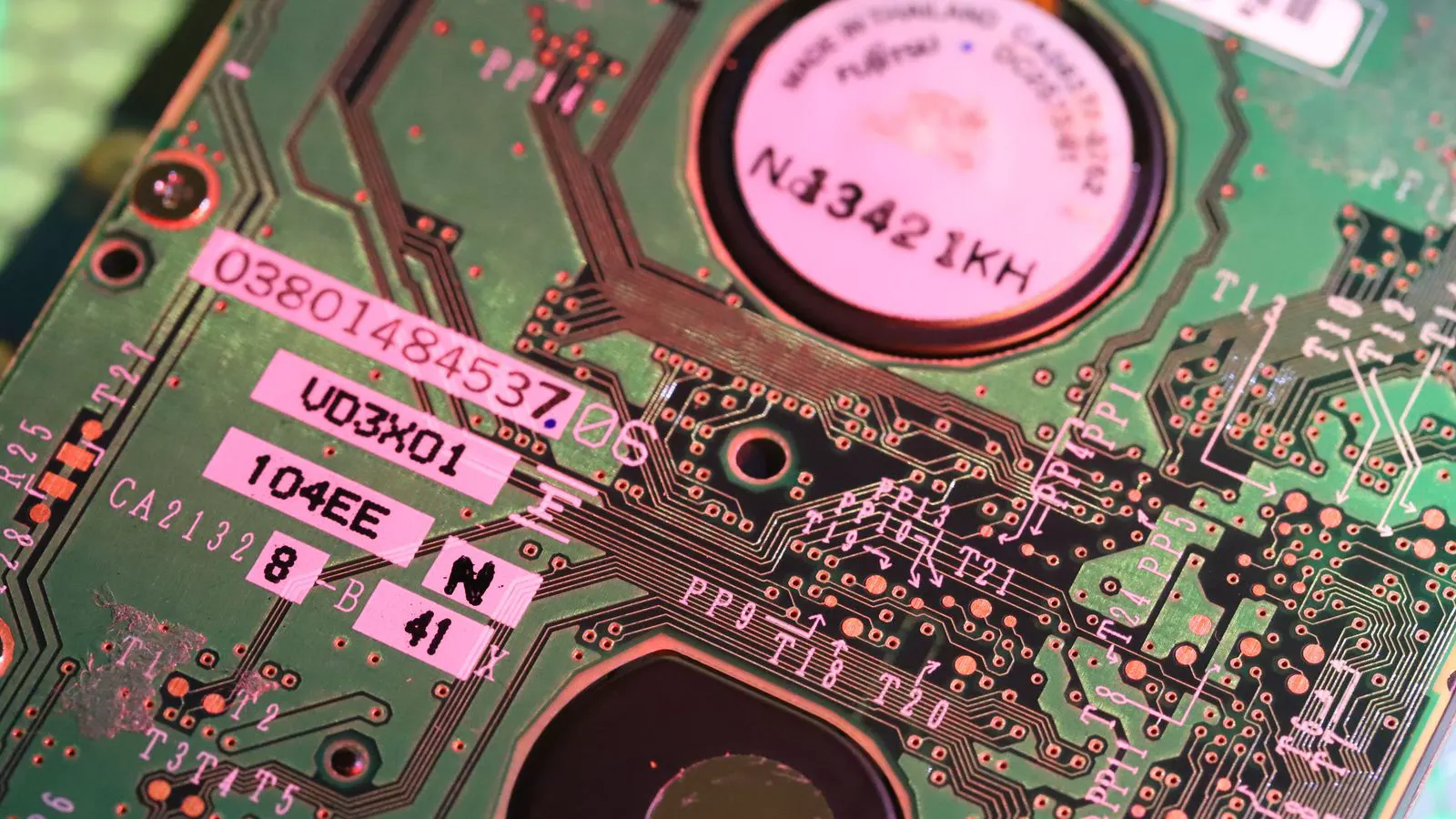
Verify component authenticity by checking datasheets, part numbers, physical markings, packaging, and solder joint behavior. This guide provides a step-by-step procedure
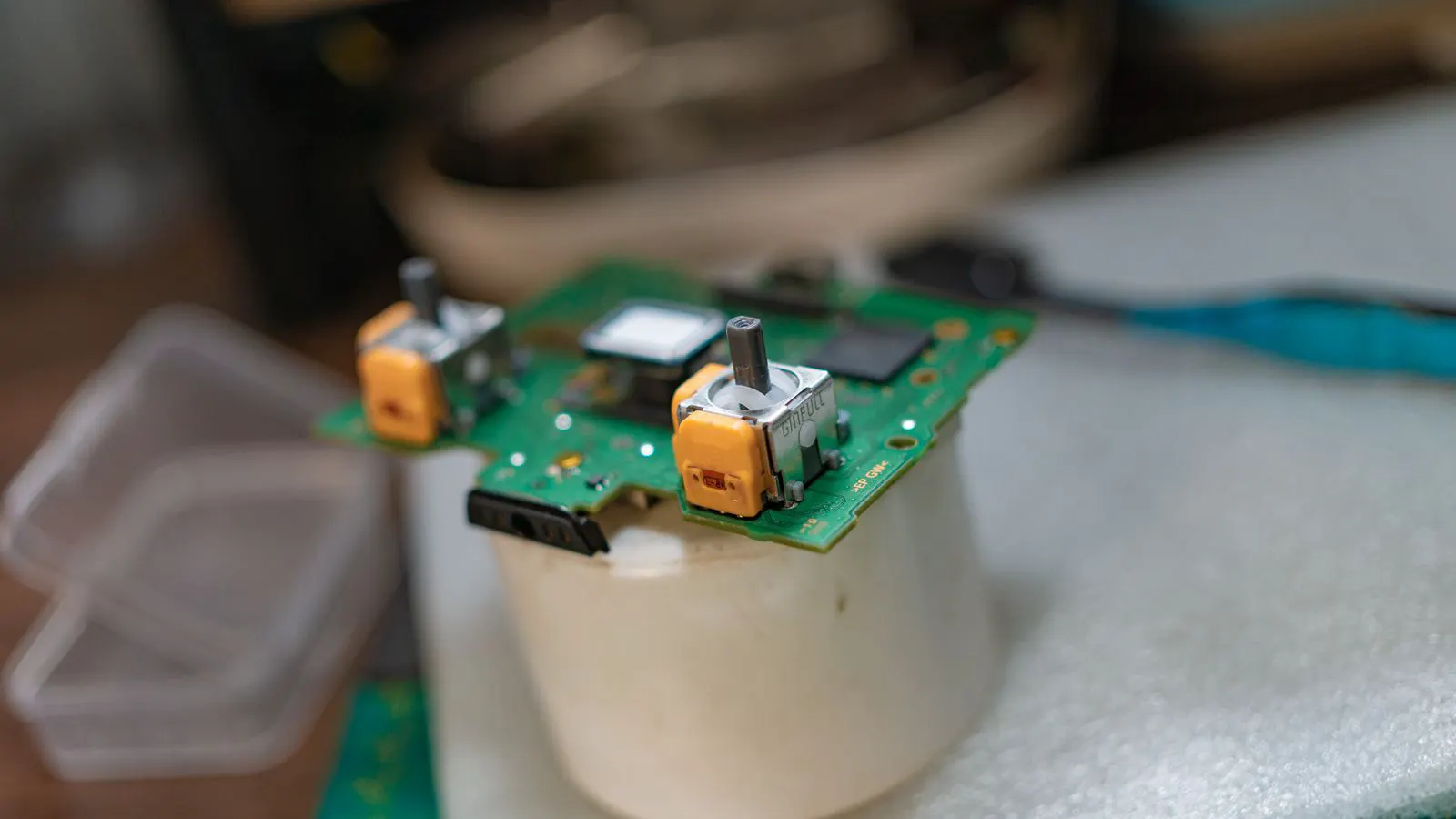
Counterfeit parts trigger rework, failed inspections, and extended cost-lead-time. These delays disrupt delivery schedules and inflate project budgets. Supply chain
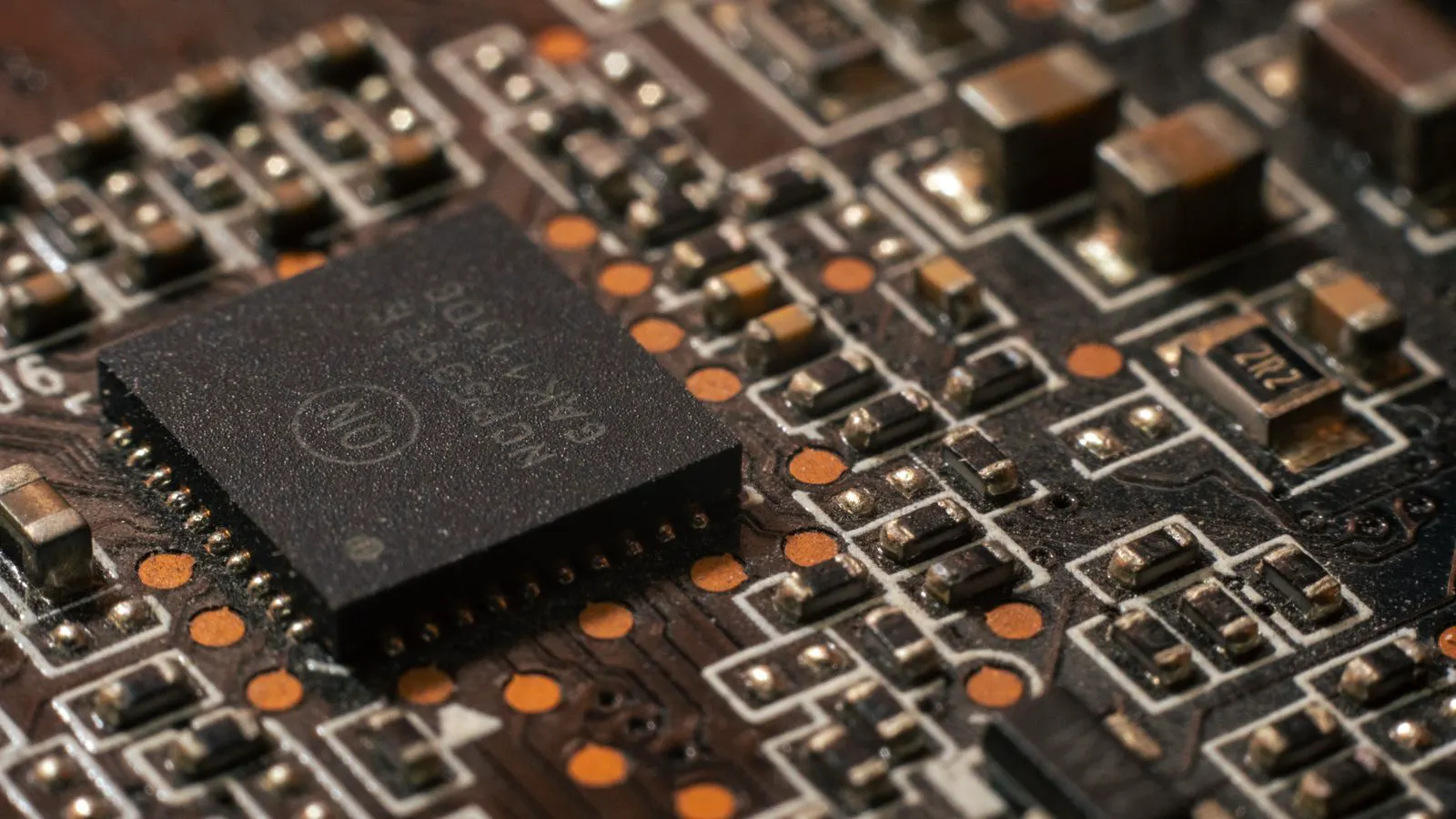
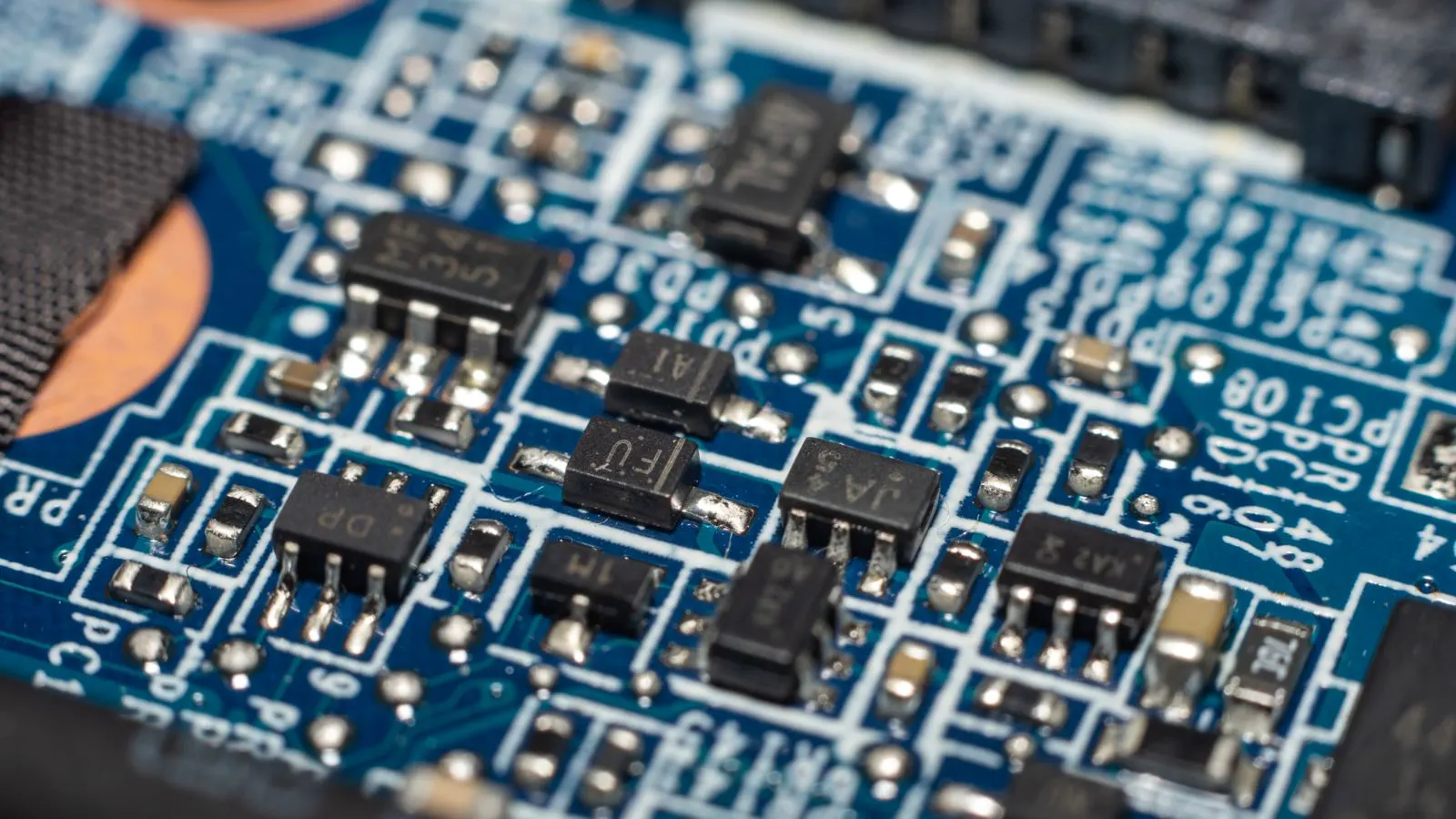
Spotting fake SMD resistors requires a systematic approach. Inspect the die, coating, and packaging for visual defects. Verify weight and markings against datasheets.