This guide explains how to evaluate suppliers, verify component authenticity, and secure your supply chain. It provides practical criteria for selecting genuine integrated circuits and avoiding counterfeit risks during procurement.
- Verify component authenticity through multiple independent checks before accepting delivery.
- Assess supplier security practices to reduce the risk of counterfeit parts entering your supply chain.
- Use a structured evaluation framework to compare potential distributors and manufacturers.
- Implement incoming inspection procedures to catch errors that slip past initial verification.
- Maintain detailed records of every verification step for traceability and audit support.
How to Evaluate Supplier Trustworthiness Before Ordering
Selecting a trusted supplier is the first layer of protection against counterfeit integrated circuits. Do not rely on a single point of contact or a single document. A legitimate distributor maintains clear records of its sourcing history and can trace a part back to the manufacturer. Ask for the original purchase order or the manufacturer’s authorization letter for high-volume items.
Check the supplier’s physical infrastructure. Reputable companies operate climate-controlled warehouses and maintain separate areas for new and returned stock. If a supplier cannot provide a clear answer about where their inventory is stored, treat that as a red flag. Look for evidence of temperature and humidity monitoring. These conditions affect part performance, and a supplier that ignores them may also ignore other quality controls.
Review the company’s history. Long-standing operations and stable customer relationships suggest a lower risk of sudden quality failures. However, age alone does not guarantee integrity. A newer distributor may still follow strict protocols if they have strong manufacturer relationships. Focus on consistency. Can the supplier provide the same level of documentation and transparency for every order, or do they only do so when pushed?
What Component Verification Methods Actually Work
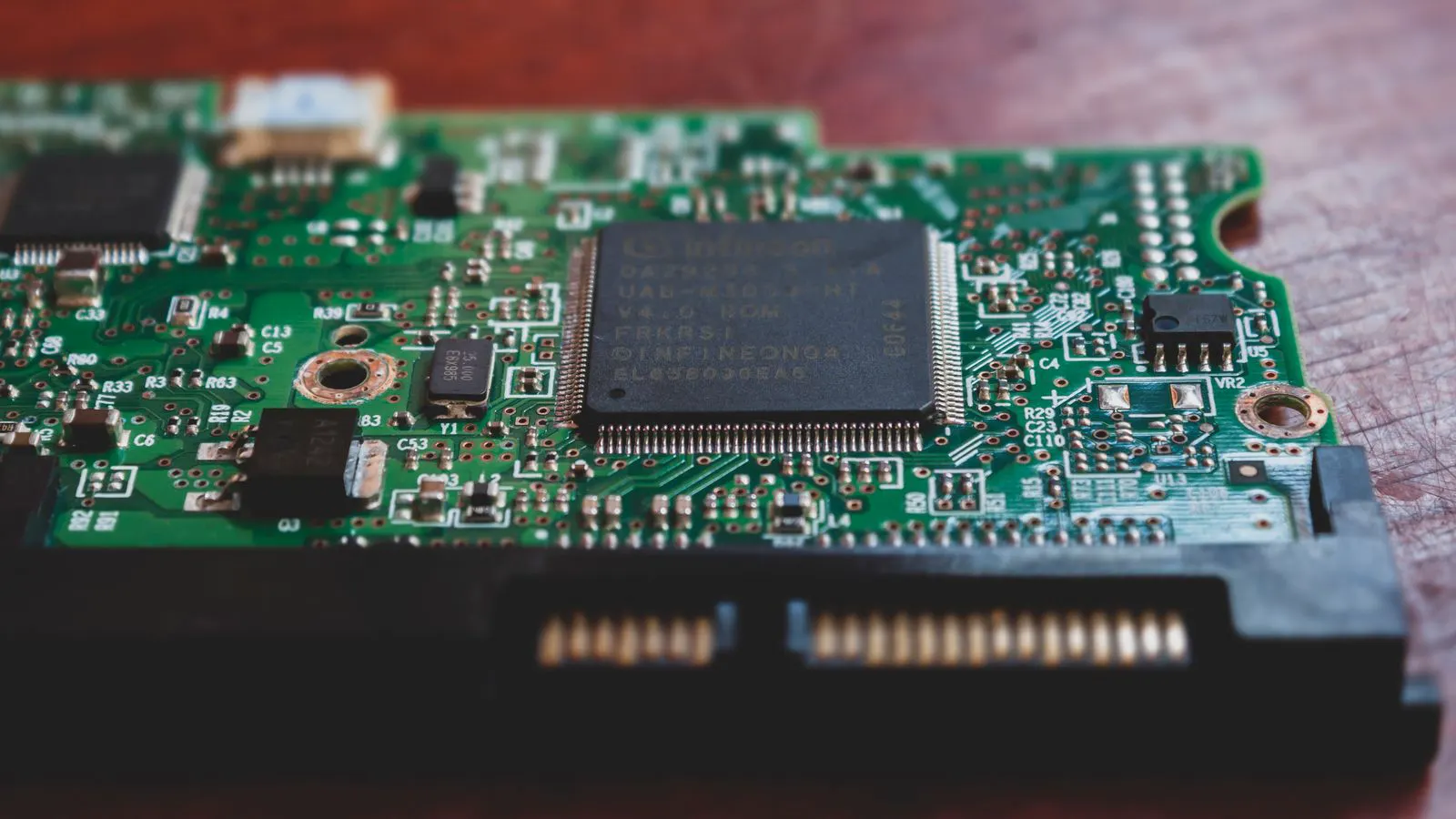
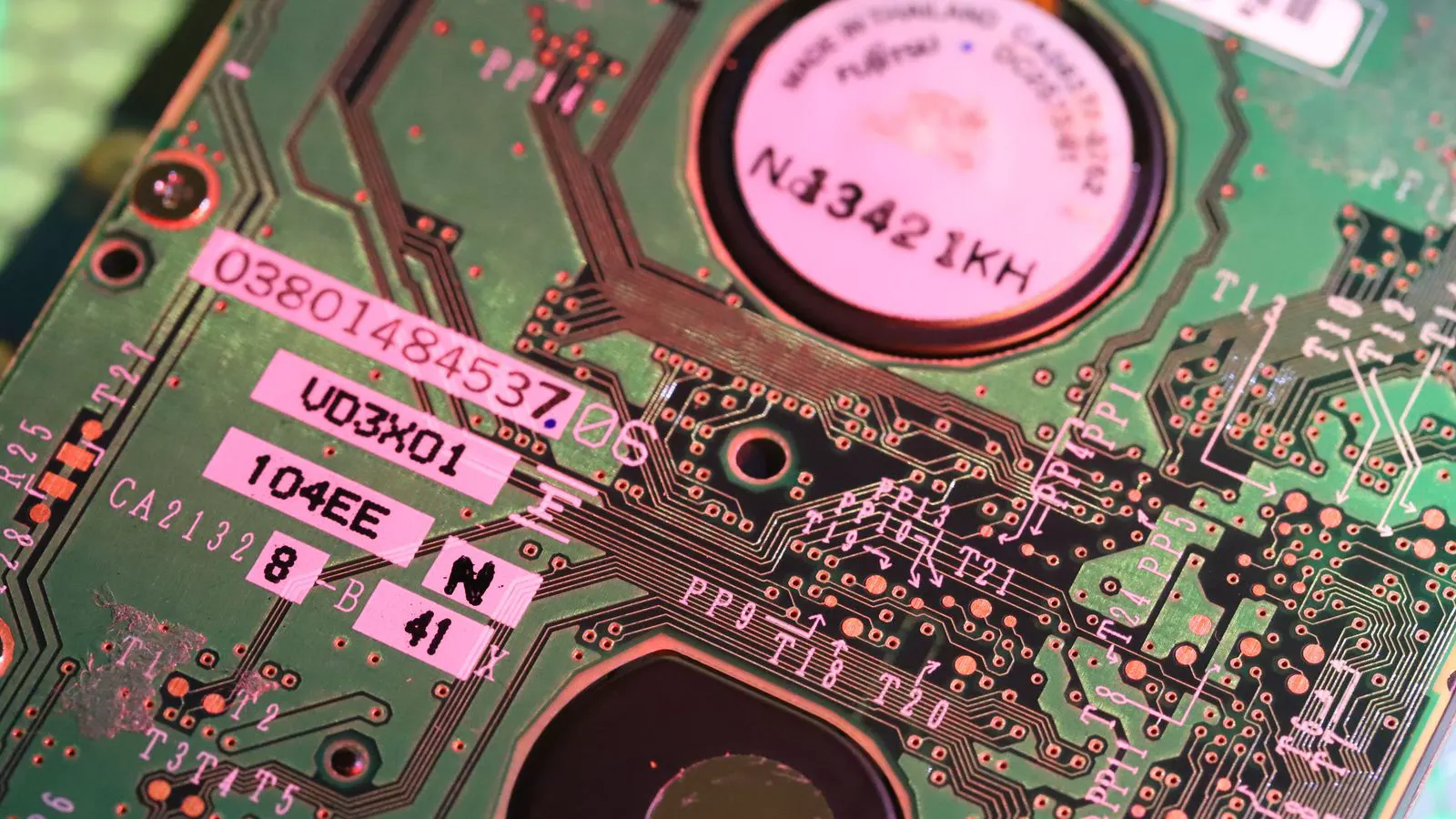
Component verification is the technical process of confirming that a part is what it claims to be. No single method is perfect, but combining several creates a strong defense. Start with visual inspection. Look for laser marking quality, pin count accuracy, and package finish. A genuine part usually has crisp, consistent markings. A counterfeit may show blurred text, inconsistent font, or incorrect character spacing.
Move to electrical testing. Use a multimeter or parametric tester to check basic functions. For integrated circuits, verify the part number and date code against the datasheet specifications. A mismatch between the printed code and the measured behavior is a strong indicator of a fake part. For more complex devices, consider using a logic analyzer or a specialized IC tester to confirm internal circuit behavior.
Documentation review is equally important. Request the Certificate of Conformance from the distributor. Cross-check the part number, date code, and lot number against your purchase order. If the documentation does not match the physical part, stop the process immediately. Do not assume the paperwork is correct just because the part passed a basic visual check.
How Supply Chain Security Reduces Counterfeit Risk
Supply chain security involves controlling every step between the manufacturer and your assembly line. A weak link at any point can introduce counterfeit parts. Map your supply chain and identify where third parties handle inventory. If a part passes through multiple brokers, the risk increases. Prefer direct relationships with manufacturers or authorized distributors whenever possible.
Implement a vendor scorecard system. Rate each supplier based on documentation quality, response time to discrepancies, and history of returns. If a supplier repeatedly fails to provide complete paperwork or delays in responding to verification requests, lower their score. Use these scores to decide where to place future orders. This creates a feedback loop that rewards reliable partners and penalizes risky ones.
Consider geographic factors. Some regions have higher concentrations of counterfeit manufacturing. This does not mean all suppliers in those areas are bad, but it warrants closer scrutiny. Ask where the parts were manufactured and where they were stored before shipping. A supplier that can provide full traceability from factory floor to your dock reduces uncertainty.
Criteria for Selecting Genuine Integrated Circuit Sources
Use the table below to compare potential suppliers. Each criterion should be evaluated consistently across all candidates. This helps you make a data-driven decision rather than relying on gut feeling or past convenience.
| Criterion | What to look for | Why it matters |
|---|---|---|
| Manufacturer Authorization | Current, valid authorization letter or direct manufacturer relationship | Confirms the supplier has legal permission to sell the part and access genuine inventory |
| Documentation Completeness | Certificate of Conformance, traceability records, and consistent date codes | Provides evidence of the part’s history and helps identify discrepancies early |
| Physical Inspection Quality | Clear laser markings, correct pin counts, and proper packaging integrity | Catches obvious counterfeits before they reach the production floor |
| Electrical Testing Protocol | Use of parametric testers or logic analyzers for critical components | Verifies that the part functions correctly and matches its datasheet specifications |
| Supply Chain Transparency | Clear information on storage conditions, handling, and third-party logistics | Reduces the risk of parts being swapped or damaged in transit |
| Response to Discrepancies | Quick, transparent communication when issues arise | Indicates the supplier takes quality seriously and is accountable for errors |
Step by Step Process for Verifying Incoming Components
Follow a consistent process for every incoming shipment. Consistency reduces the chance of missing a subtle defect. Start with the unboxing. Check the external packaging for signs of tampering. If the seal is broken or the tape is re-applied, flag the shipment for deeper inspection.
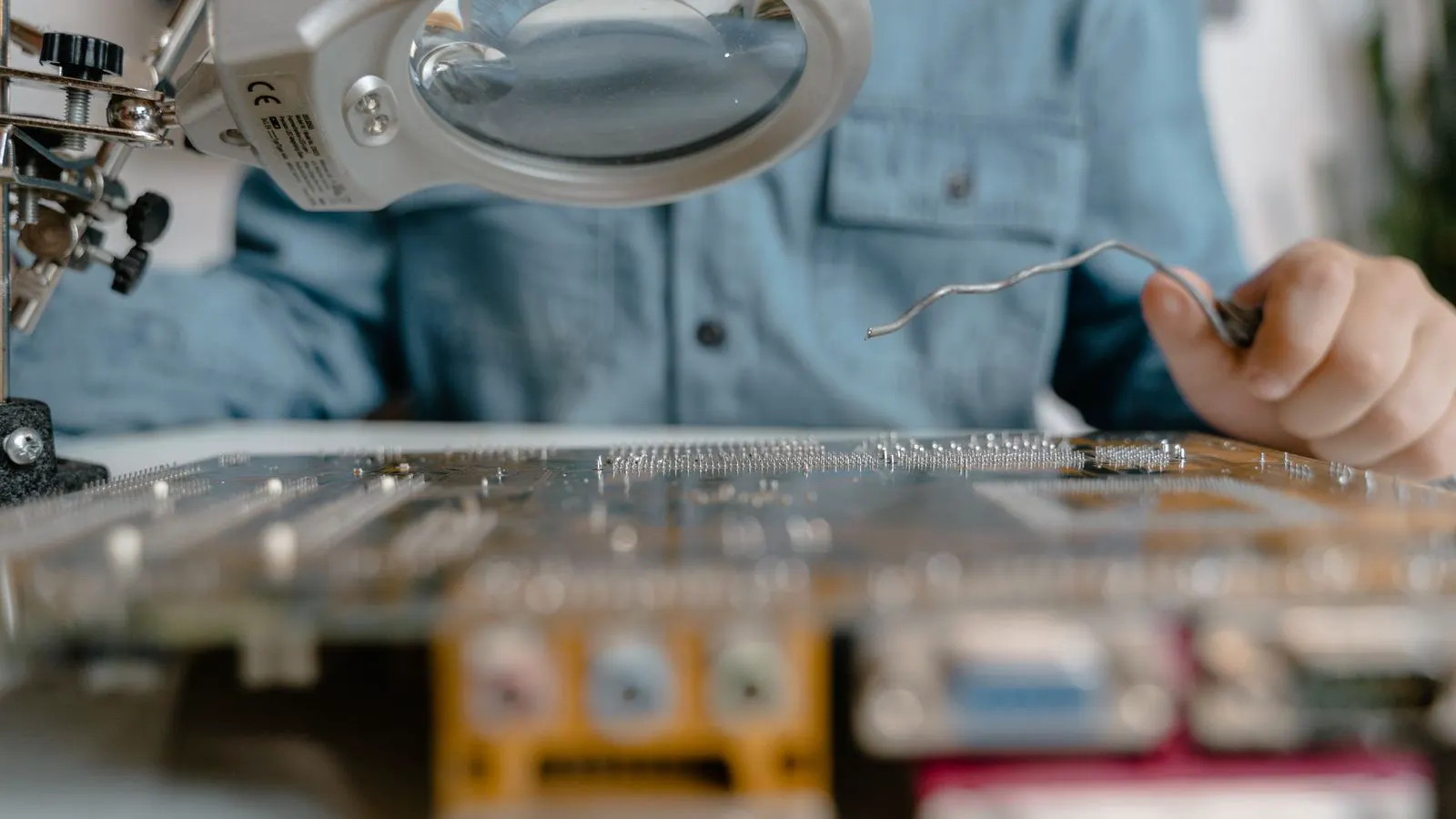
Next, perform a visual inspection under magnification. Use a 10x or 20x loupe to examine the part number and date code. Compare these markings against the datasheet and your purchase order. Look for any smudging, misalignment, or incorrect characters. If the markings appear off, set the part aside. Do not place it on the assembly line.
Then, conduct electrical testing. Use the appropriate test equipment for the component type. For analog integrated circuits, check supply current, output voltage, and noise characteristics. For digital parts, verify logic levels and timing. If a part fails any test, quarantine it. Document the failure and notify the supplier. Do not attempt to repair or rework a suspicious part. The cost of testing is far lower than the cost of a field failure.
How to Build a Long Term Verification Program
A one-time check is not enough. Build a program that scales with your production volume. Assign responsibility for verification to a dedicated quality team. Provide them with the necessary training and equipment. They should have the authority to stop production if a batch fails verification.
Keep detailed records. Store all verification reports, test data, and correspondence with suppliers in a centralized database. If a problem appears later in the product lifecycle, you need to trace it back to the specific batch and supplier. This traceability is the backbone of any effective counterfeit prevention strategy.
Review your program regularly. Technology and counterfeit methods change. What worked two years ago may not be sufficient today. Stay informed about new verification technologies and supplier practices. Update your criteria table and inspection procedures accordingly. A static program is a vulnerable program.
When to Reject a Supplier Even If the Parts Pass
Sometimes a supplier passes initial checks but still presents a long term risk. Reject a supplier if they are unwilling to provide traceability documentation, even after multiple requests. If they cannot explain how they store their inventory or why their prices are significantly below market, walk away. The savings are temporary. The risk is permanent.
Also reject a supplier who blames you for verification failures. If your team flags a counterfeit part and the supplier argues that the test was done incorrectly, that is a sign of a culture that does not value quality. A good partner will work with you to resolve the issue and improve their process. A bad one will make you feel like the problem is on your side.
Finally, trust your instincts. If a deal feels too good to be true, it probably is. Genuine parts from authorized sources cost what they cost. If the price is consistently lower than comparable suppliers, there is a reason. Investigate that reason before placing an order.
Decision Checklist for Final Selection
Run through this checklist before finalizing any new supplier relationship. If you cannot check all boxes, do not proceed until the gaps are addressed.
- Does the supplier hold current manufacturer authorization?
- Can they provide a Certificate of Conformance for every batch?
- Have we performed independent visual and electrical verification on a sample?
- Is the supplier transparent about inventory storage and handling?
- Have we reviewed their history of responses to quality discrepancies?
- Do we have a clear process for quarantining and reporting failed parts?
Frequently asked questions
Can I rely solely on the supplier's paperwork to verify a part?
No. Paperwork alone is insufficient. Always perform independent physical and electrical verification on incoming components to confirm authenticity.
How often should I update my verification procedures?
Review and update your procedures at least annually or whenever you encounter a new type of counterfeit part or change your supplier base.
Is it worth the cost to test every single part?
For critical applications, yes. For lower-risk components, you may use a sampling strategy, but always document the sampling method and results.
What should I do if a part fails verification but the supplier says it is genuine?
Quarantine the part, document the failure with test data, and request a formal response from the supplier. Do not return the part without their written agreement on the reason for failure.
Can I use the same verification process for all component types?
No. Different components require different tests. A resistor needs a simple resistance check, while an integrated circuit may require parametric testing. Tailor your process to the part.