This guide provides a practical counterfeit detection checklist for incoming inspection. It covers visual checks, documentation review, and testing protocols to verify component authenticity before parts enter production.
- Visual inspection catches packaging and marking anomalies that indicate counterfeit parts.
- Documentation review requires cross-checking supplier records, lot codes, and traceability data.
- Electrical testing confirms that parts meet datasheet specifications and functional requirements.
- A documented inspection process creates an audit trail for quality assurance and compliance.
- Standard operating procedures reduce human error and ensure consistent component verification.
What to check when components arrive
Incoming components arrive in various packaging configurations, from shrink-wrapped trays to individual bags. The first step in counterfeit detection is a systematic review of the physical presentation. Inspect the outer boxes for signs of tampering, such as broken seals, re-applied tape, or damaged corner protection. Check the internal packaging for moisture indicators that may indicate improper storage.
Packaging integrity serves as the first line of defense. A box with a clean, factory-applied seal and unbroken corner protectors suggests the product has not been handled outside the manufacturer’s controlled environment. Conversely, a box with a strip of tape that has been re-stretched or a seal that has been peeled and re-applied is a strong indicator that the contents were accessed. This access allows an actor to swap genuine parts with counterfeits, a practice known as “box swapping.”
The internal packaging should match the supplier’s standard documentation. If a resistor arrives in a bag that differs from the specification sheet, that discrepancy warrants further investigation. Look for labeling inconsistencies between the box, the tray, and the individual components. Mismatched part numbers, missing lot codes, or faded ink are common indicators of re-packaged or unauthorized distribution.
For high-reliability applications, the packaging itself is a data source. Many manufacturers use specific colors of shrink-wrap or specific types of trays for their high-reliability lines. If a standard-grade part arrives in the packaging designated for their military-grade line, or vice versa, it suggests the part was re-labeled. Always verify that the packaging material matches the part number and the grade specified in the purchase order.
Moisture sensitive components (MSD) require special attention. Check the humidity indicator cards (HIC) in the desiccant bags. If the HIC shows the part has exceeded its maximum exposure time, the component may have degraded. While this is not always a counterfeit issue, it indicates a supply chain failure that can compromise the part’s long-term reliability.
How to perform visual component inspection
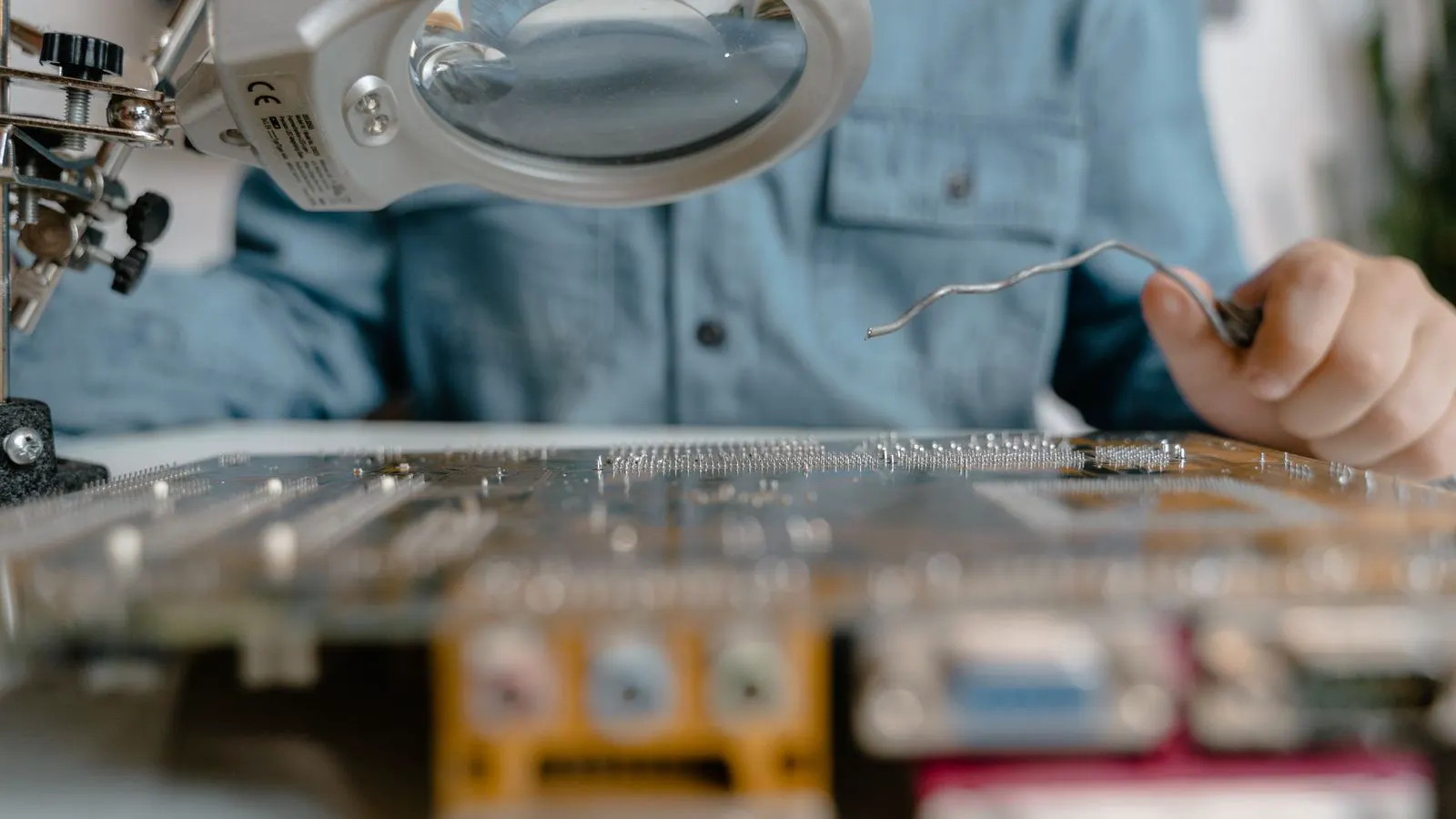
Visual inspection requires a magnifying tool and a reference to the manufacturer’s datasheet. Examine the component body for consistent marking, proper font, and correct part number placement. Compare the physical appearance against known good samples from verified suppliers. Note any differences in casing color, surface texture, or lead finish.
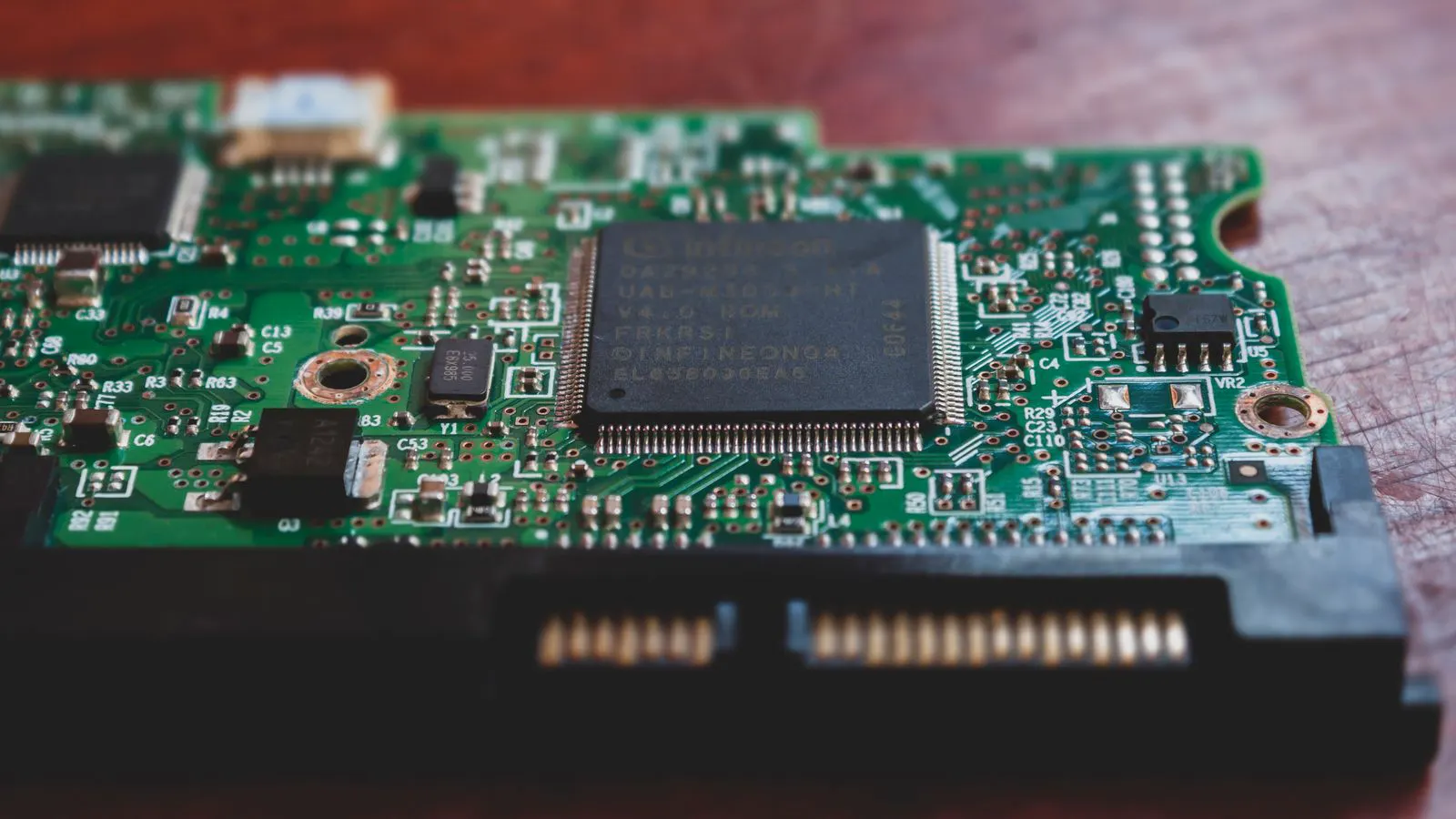
For surface-mount components, check the solder mask color and the component’s dimensional accuracy. A resistor that appears slightly larger or smaller than expected may be a non-compliant substitute. Inspect the markings for laser engraving quality; genuine parts typically have crisp, well-defined text. Blurry or uneven markings often indicate counterfeits.
Look for the presence or absence of specific features, such as date codes, manufacturer logos, or certification marks. These elements vary by manufacturer and component type, so having reference images or samples is helpful. Any deviation from the expected appearance should be documented and flagged for further verification.
When examining discrete components like resistors or capacitors, pay close attention to the color banding. The spacing between bands, the width of the bands, and the finish of the coating are often consistent within a specific manufacturer’s production run. A resistor with a band that is slightly too wide or a coating that looks matte instead of glossy can be a sign of a counterfeit.
For integrated circuits, the pin count and pinout are the most obvious checks, but the subtle details matter more. Look at the die size visible through the window on some packages. If the die appears smaller than expected for a high-performance part, it may be a lower-grade chip with a larger die attached to a standard package. Check the lead finish on through-hole components. Genuine parts usually have a bright, consistent tin or silver finish. Dull, oxidized, or uneven leads can indicate age or improper handling.
Use a comparison method. Keep a “golden sample” of each critical part in your lab. When a new shipment arrives, place it next to the golden sample. Look at the font of the part number, the spacing of the characters, and the color of the plastic body. Even a slight difference in the shade of black or the weight of the ink can be a telltale sign.
Which documents to verify during incoming inspection
Documentation review is a critical part of component verification. Request the certificate of analysis, material safety data sheets, and test reports from the supplier. Cross-reference the part number, lot number, and date code on the components against the paperwork. Mismatches between physical parts and documentation are a major red flag.
Check the supplier’s authorization status. Verify that the distributor is an authorized dealer for the component manufacturer. Unauthorized distributors often source parts from questionable channels. Request proof of origin or traceability records for high-criticality components. These records should show the manufacturing facility, production date, and testing results.
Review the chain of custody. If a component passed through multiple resellers, each transfer should be documented. Gaps in the supply chain increase the risk of counterfeit introduction. Maintain a record of all incoming shipments, including the date, supplier, and inspection results. This documentation supports internal audits and helps identify patterns in counterfeit incidents.
The Certificate of Conformance (CoC) is a key document. It should state that the part was tested to the manufacturer’s specifications and was within tolerance. However, a CoC from a non-authorized distributor is not proof of authenticity. It is only proof that the distributor claims the part is genuine. For high-criticality parts, request the manufacturer’s own traceability data. This data includes the specific wafer lot and the test results from the factory floor.
Check the date codes on the parts against the production dates in the documentation. A part with a date code that is significantly older than the production date in the paperwork may have been sitting in a warehouse for a long time. This can be a problem for moisture-sensitive parts or for parts with a limited shelf life.
What tests to run on incoming parts
Electrical testing confirms that components meet their specified parameters. For resistors and capacitors, use a multimeter or LCR meter to measure resistance and capacitance values. Compare the measured values against the datasheet tolerance. Out-of-tolerance components may be substitutes or defective units.
For integrated circuits, perform basic functional tests where possible. Power-up tests can identify components that fail to initialize properly. More advanced testing involves parameter sweeps to verify performance across temperature and voltage ranges. These tests take more time and require specialized equipment, but they provide a higher level of confidence in component authenticity.
Visual inspection and documentation review are necessary but not sufficient. A counterfeit part may appear identical and come with valid-looking paperwork. Only electrical testing can confirm that the internal structure and materials match the intended design. Include testing in your incoming inspection process for any component where failure would impact product safety or performance.
Start with a “ring test” or a simple continuity check for through-hole components. A counterfeit resistor might have a different internal structure that causes it to fail under load. For capacitors, measure the equivalent series resistance (ESR) if your equipment allows. A high ESR value can indicate a counterfeit or a degraded part.
For integrated circuits, use a parametric tester. This device measures the specific electrical parameters of the IC, such as threshold voltage, current, and timing. Compare these values against the manufacturer’s datasheet. A part that is within the general tolerance range but outside the specific parametric limits may be a lower-grade part.
Common red flags that indicate counterfeits
The table below lists common indicators that suggest a component may be counterfeit. Use this as a reference during your inspection process.
| Indicator | Description |
|---|---|
| Packaging anomalies | Damaged seals, inconsistent tape, or mismatched labels |
| Marking issues | Blurry text, wrong font, or missing part numbers |
| Dimensional differences | Components that are larger or smaller than expected |
| Documentation gaps | Missing lot codes or mismatched supplier records |
| Out-of-tolerance values | Measured parameters that fall outside datasheet limits |
| No traceability | Lack of manufacturing records or supplier authorization |
If you identify any of these red flags, quarantine the affected parts immediately. Do not release them into inventory until verification is complete. Document the findings and notify the supplier. In some cases, the entire lot may need to be returned or destroyed.
How to document your inspection results
Create a standard operating procedure for incoming inspection. Define who performs the checks, what tools are required, and how results are recorded. Use a simple form or digital system to log the inspection date, component details, and inspection outcomes. Attach photos of any anomalies for reference.
Store inspection records securely and make them accessible for audit purposes. These records demonstrate that your organization maintains a quality control process for component verification. They also help identify recurring issues with specific suppliers or component types.
Regularly review your inspection data to identify trends. If a particular supplier consistently has documentation issues, consider changing suppliers. If a specific component type frequently fails testing, investigate the root cause. Continuous improvement in your inspection process strengthens your defense against counterfeit parts.
How to train your inspection team
Consistent inspection requires trained personnel. Provide training on the visual characteristics of genuine components for the types of parts your organization uses. Include hands-on practice with known counterfeit samples if available. Train inspectors to recognize subtle differences that may be missed by casual observation.
Establish clear escalation procedures. Define what happens when a part fails inspection. Who makes the decision to reject the lot? How is the supplier notified? What happens to the quarantined parts? Clear procedures reduce ambiguity and ensure that potential counterfeit parts are handled properly.
Reinforce the importance of thorough inspection. Even experienced engineers can miss subtle anomalies, especially when inspecting large volumes. Encourage inspectors to question discrepancies rather than assume they are normal variations. A culture of vigilance is the most effective defense against counterfeit introduction.
How to integrate inspection into your supply chain
Incoming inspection is only one layer of defense. Work with suppliers to establish quality agreements that include component verification requirements. Require authorized distributors to provide traceability documentation and testing reports. Build these requirements into your purchase orders and contracts.
Consider implementing a supplier quality rating system. Track supplier performance based on inspection results, documentation quality, and response to issues. Suppliers with poor inspection outcomes should face stricter controls or reduced order volumes. This approach encourages suppliers to maintain higher quality standards.
For high-risk components, consider additional verification steps. Request sample testing from the manufacturer directly. Use multiple suppliers for critical components to reduce dependency on a single source. Diversification reduces the impact of counterfeit introduction from any single supplier.
How to maintain your counterfeit detection process
Counterfeit detection requires ongoing attention. Component designs change, and counterfeit techniques evolve. Keep your inspection procedures updated based on new findings and supplier feedback. Review your red flag list regularly and add new indicators as they emerge.
Maintain reference samples of genuine components from verified suppliers. These samples serve as a baseline for visual comparison. Store them in a controlled environment to prevent degradation. Update the samples when manufacturers introduce new revisions or packaging.
Monitor industry news and supplier communications for alerts about counterfeit activity. Manufacturers often issue notices about specific counterfeit incidents or suspicious distribution channels. Incorporate this information into your inspection checks. Staying informed helps you anticipate new risks and adjust your defenses accordingly.
Frequently asked questions
How often should I inspect incoming components?
Inspect every incoming lot of components, regardless of supplier history. Counterfeit risk exists with every shipment, and routine inspection catches issues before they reach the production line.
What tools are needed for basic counterfeit detection?
A magnifying glass, multimeter or LCR meter, and reference documentation are sufficient for basic inspection. More advanced testing requires specialized equipment and depends on the component type and criticality.
Can I rely only on the supplier's certificate of authenticity?
No. Certificates provide documentation support but do not confirm that the physical parts match the paperwork. Always perform visual and, when possible, electrical inspection on the actual components received.
What should I do if I find a red flag during inspection?
Quarantine the affected parts immediately. Do not release them into inventory. Document the findings, notify the supplier, and follow your escalation procedure for further verification or return.
How do I know if a supplier is authorized?
Check the manufacturer's official website or contact the manufacturer directly to verify supplier authorization. Authorized distributors are listed and can provide traceability documentation and test reports.