Standards & Compliance
Troubleshooting: Why SMD Parts Fail During Reflow
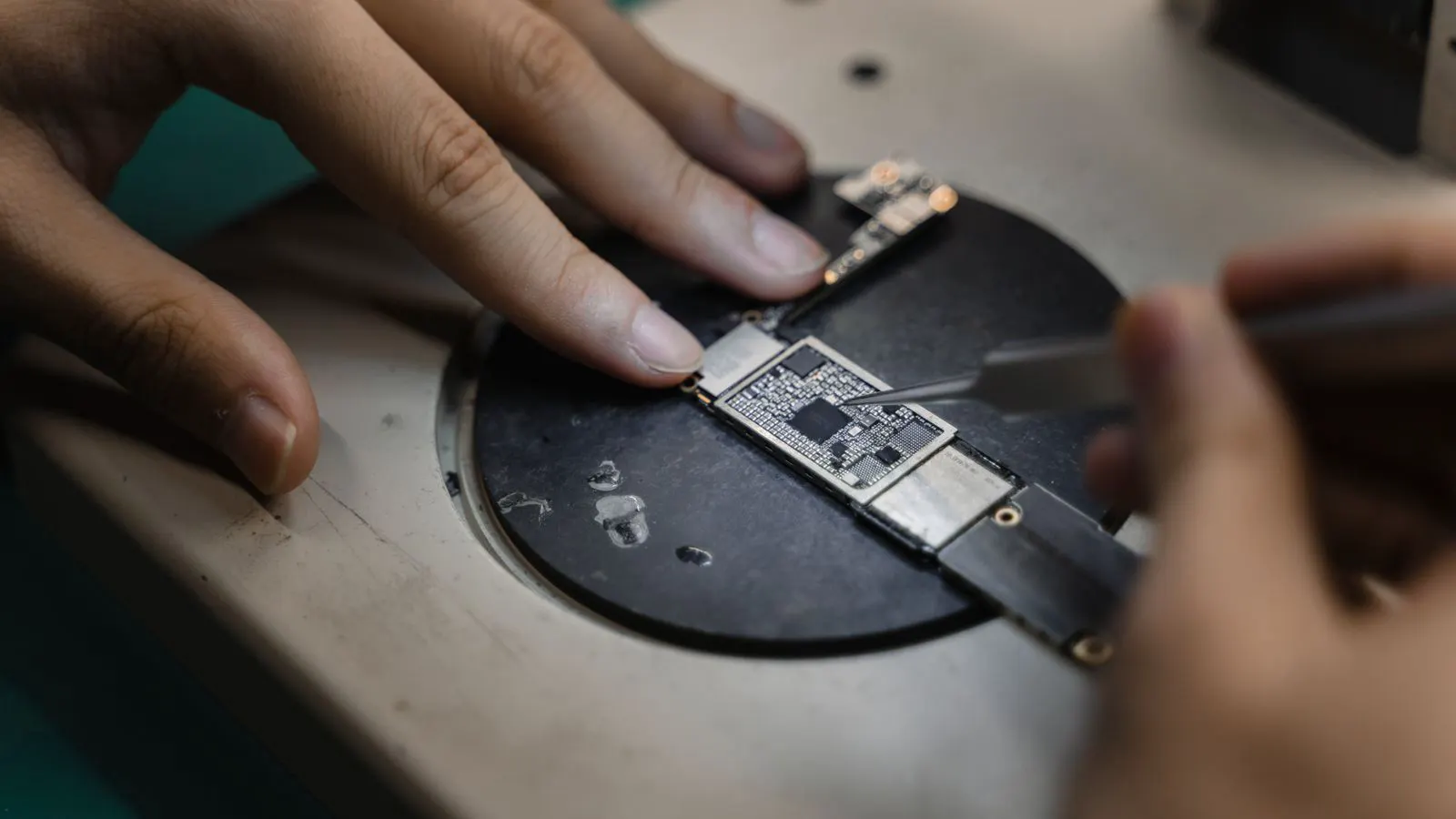
SMD reflow failure usually stems from thermal stress, incorrect profile settings, or component damage. Identify specific symptoms like lifted pads or cracked joints to
Explainers on industry standards, regulatory requirements, and compliance processes for safe and certified electronic component design.
SMD reflow failure usually stems from thermal stress, incorrect profile settings, or component damage. Identify specific symptoms like lifted pads or cracked joints to
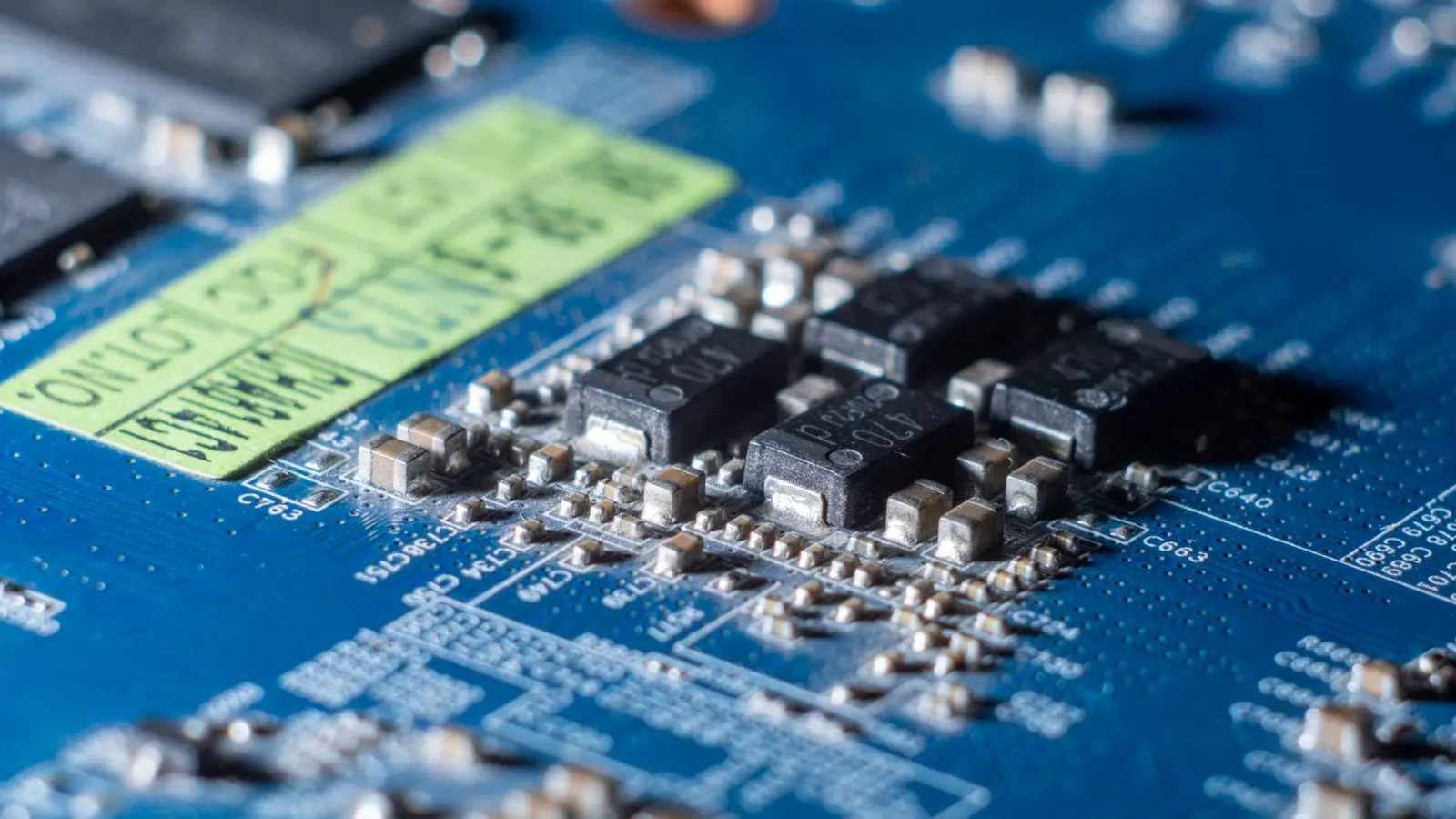
Balancing passive component sourcing requires matching delivery schedules to budget limits. This guide explains the cost and lead time drivers behind resistors
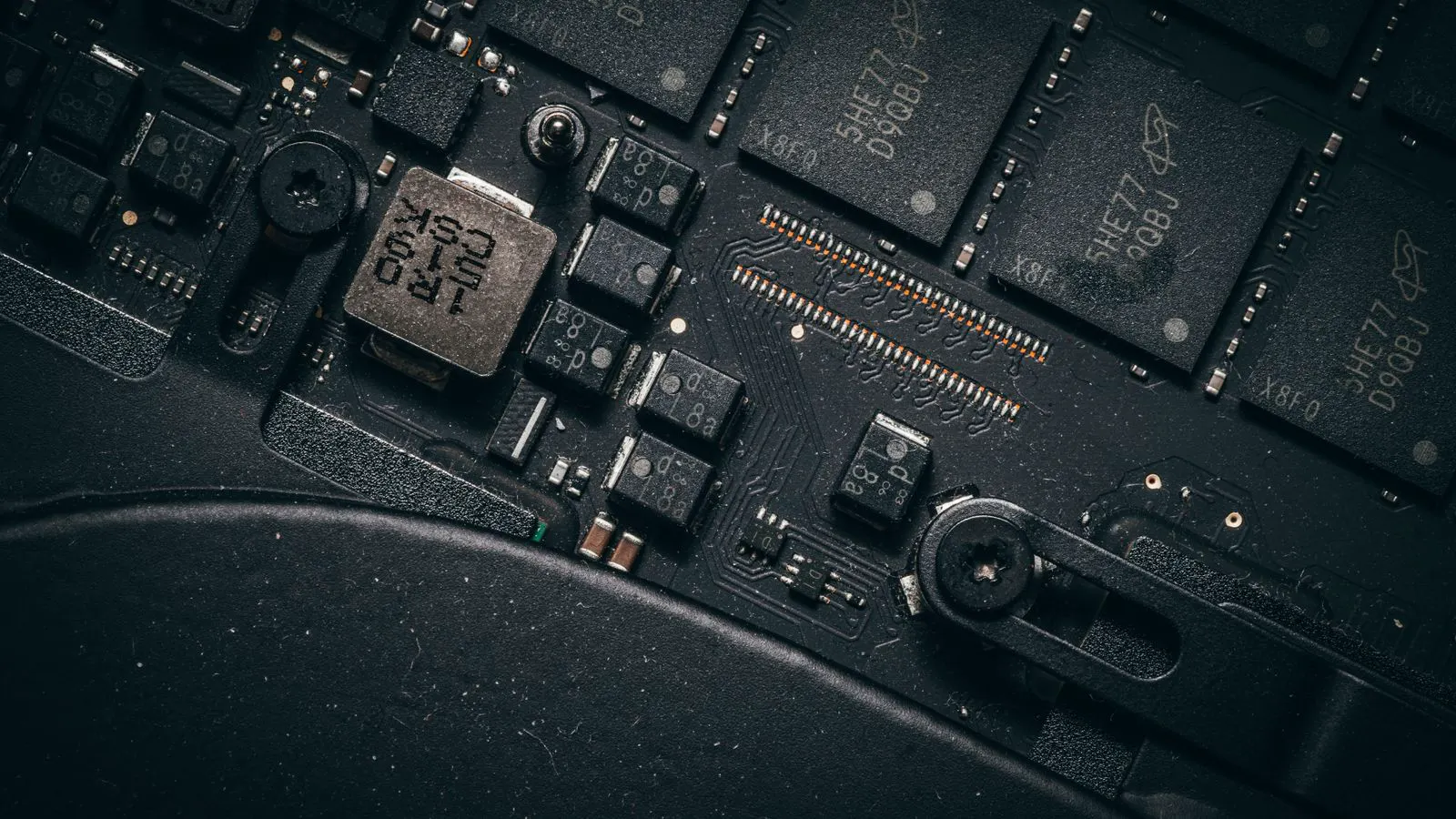
PCB standards are driving changes in material sourcing, quality gates, and supplier documentation. This article outlines five shifts buyers should plan for and practical
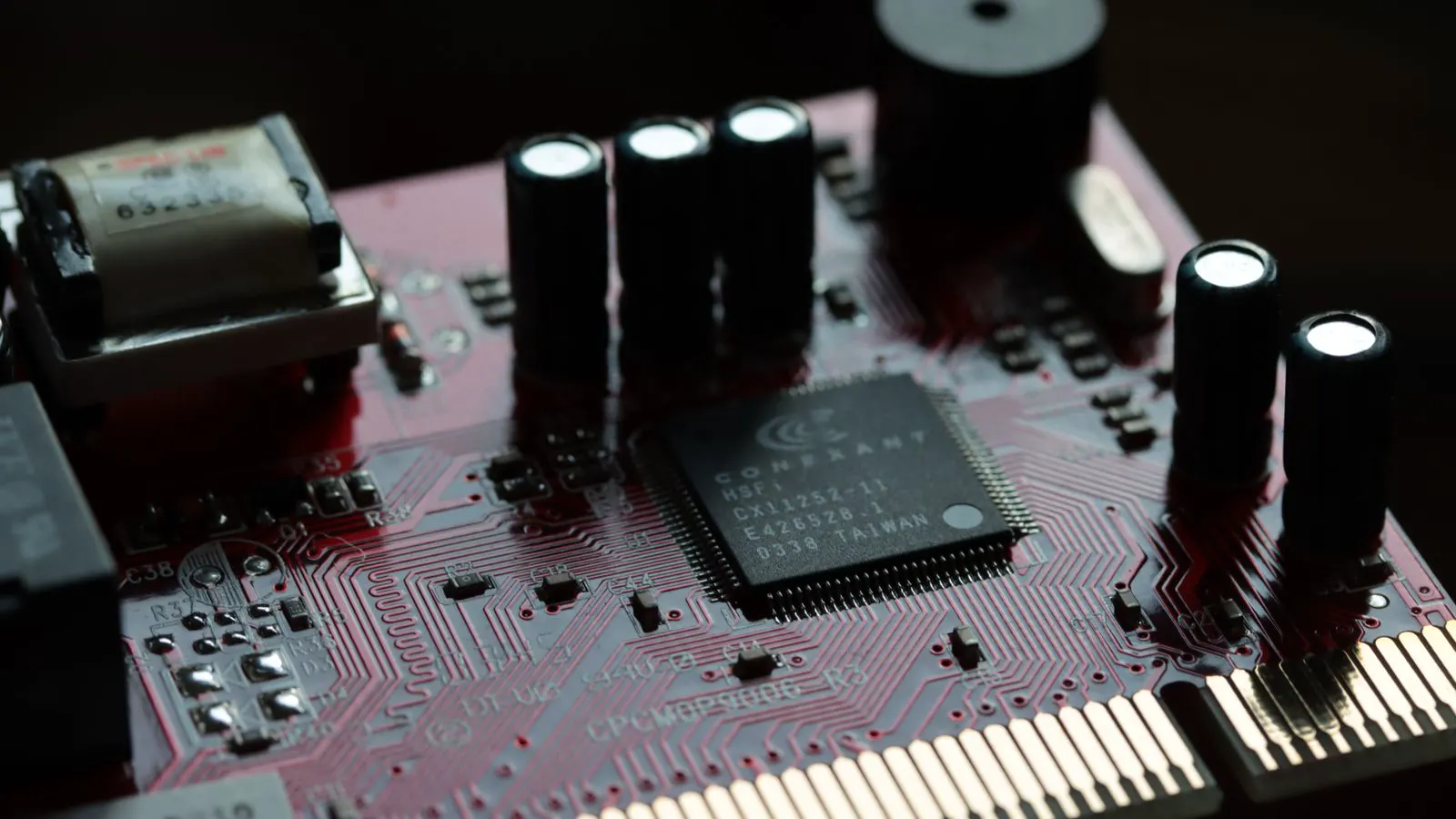
Component failure during FCC Part 15 testing usually stems from layout errors, insufficient shielding, or documentation gaps. This guide identifies typical symptoms

This guide explains how procurement professionals identify and source RoHS certified components. It covers verifying declarations, managing supply chain risk, and
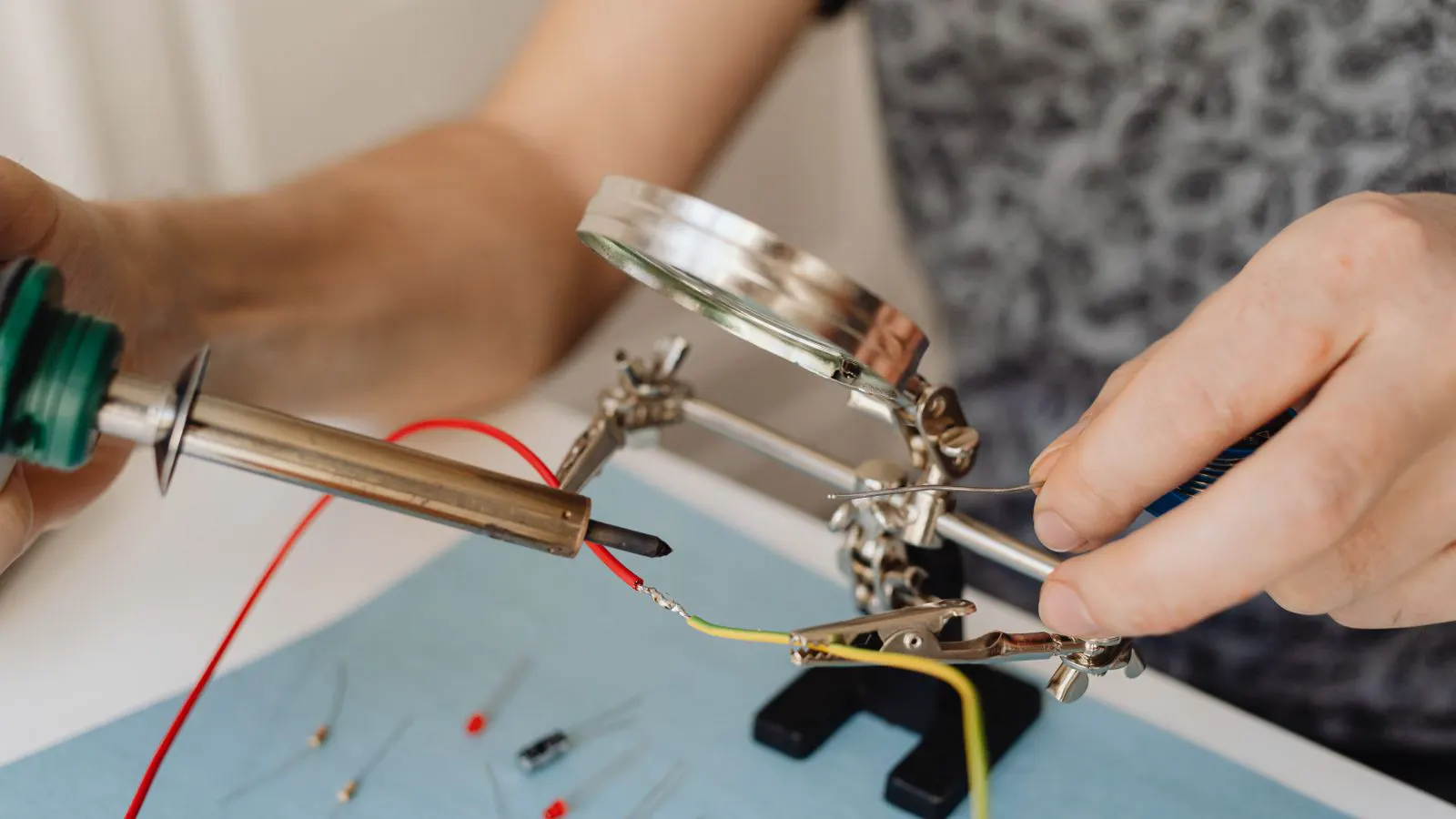
The IPC-A-610 standard provides visual acceptance criteria for solder joints and surface mount components on printed circuit boards. It defines quality levels for
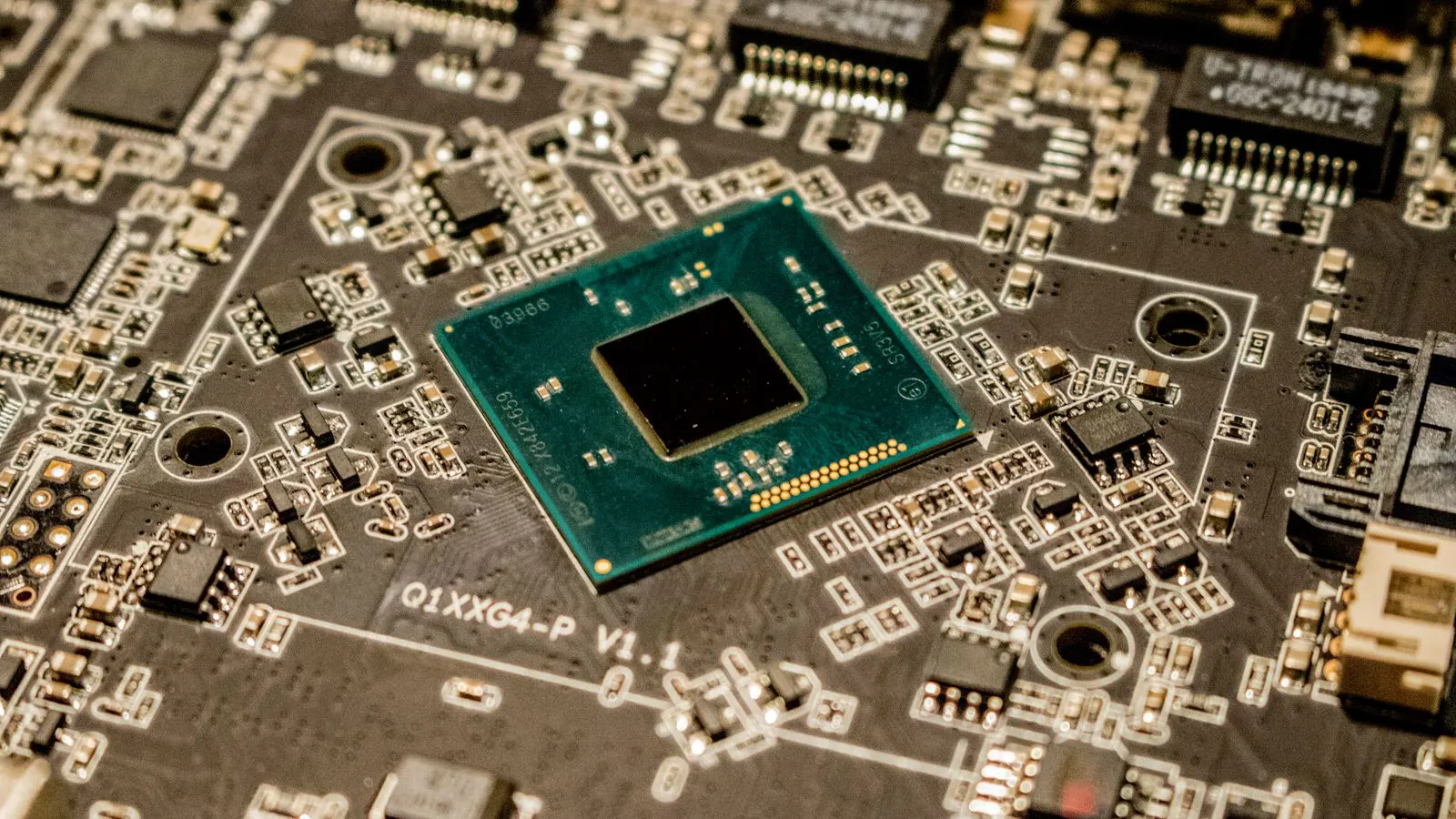
UL and IEC standards define different testing frameworks for electrical safety. Choosing the right certification depends on target market regulations, product function

Verify CE marking for imported components by checking the CE declaration, technical file, and EU Representative. Cross-reference supplier documentation with regulatory
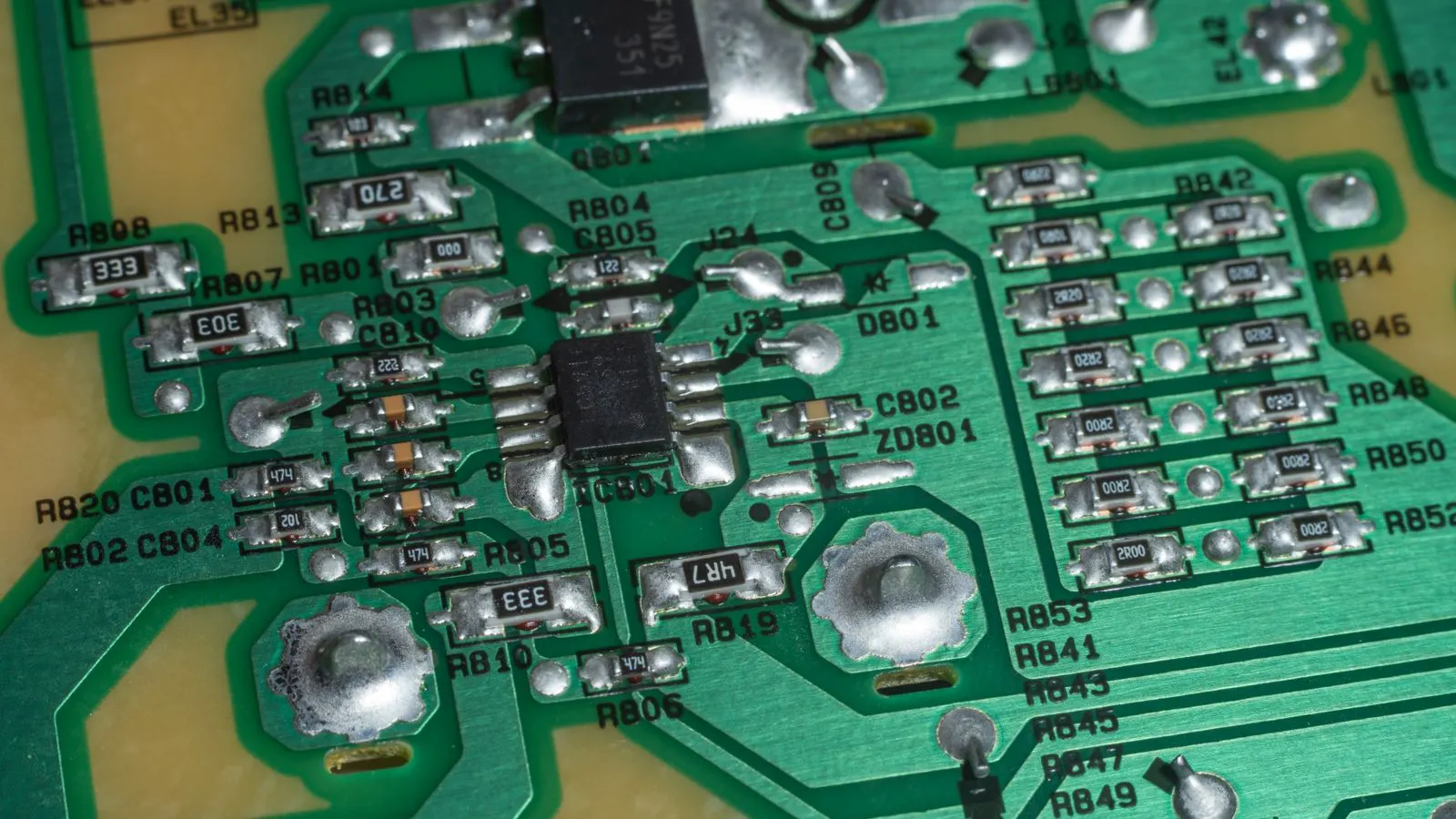
RoHS 3.0 procurement requires updating supplier documentation, testing protocols, and material declarations. Buyers must prepare for stricter limits on elements like tin