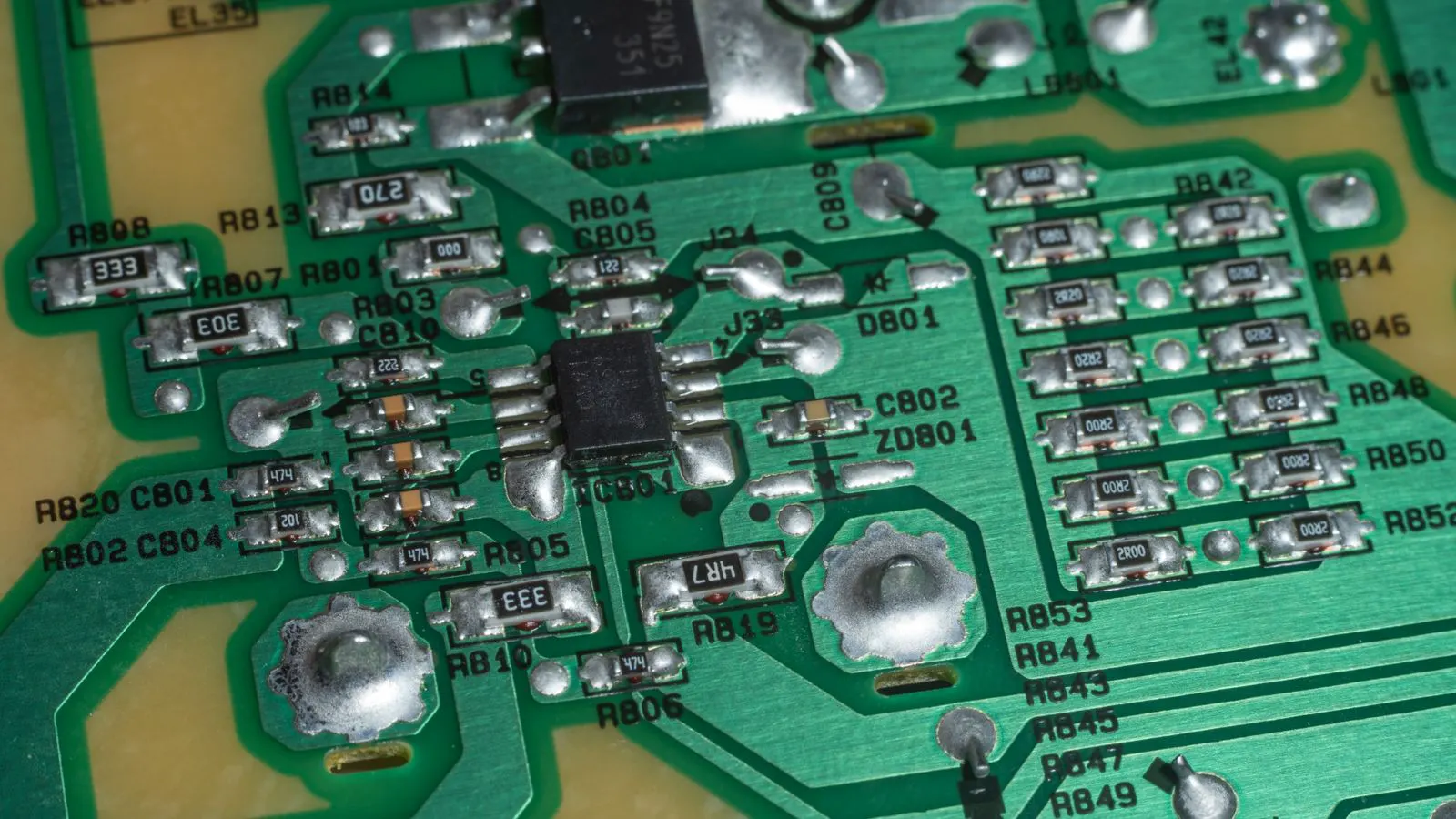
UL and IEC standards define different testing frameworks for electrical safety. Choosing the right certification depends on target market regulations, product function, and supply chain requirements. Engineers must match the standard to the end-use risk and regional compliance needs.
- UL standards are widely recognized in North America and often required for specific equipment categories.
- IEC standards provide globally harmonized testing methods used across multiple regions.
- Component certification choices depend on the final equipment market and intended use.
- Dual certification may be necessary for products targeting both North America and international markets.
- Documentation and test reports must align with the selected standard to avoid procurement delays.
What distinguishes UL from IEC testing frameworks?
UL and IEC standards address electrical safety through different organizational approaches and testing methodologies. UL develops safety standards under the United States and Canadian regulatory umbrella, with a focus on product safety, fire risk, and electrical performance. IEC standards are developed through international consensus and aim to create harmonized technical requirements that can be adopted by national bodies worldwide.
The distinction matters because a single component may need to pass different test sequences depending on the framework. For instance, a power supply unit might undergo different thermal testing, creepage distance checks, and material flammability evaluations under UL versus IEC requirements. The component itself may remain identical, but the documentation, test reports, and compliance claims will differ.
Engineers often encounter this distinction when sourcing parts for multi-region deployments. A design team targeting both the United States and Europe may find that the same enclosure material passes one test but requires re-evaluation under the other. Understanding these differences early in the design phase prevents late-stage redesigns and costly re-testing.
How do the testing scopes differ for electronic components?
The scope of testing varies based on whether the standard addresses the component, the assembly, or the final equipment. UL standards frequently provide detailed requirements for specific component types, such as transformers, capacitors, and printed circuit boards. These standards define acceptance criteria for insulation, grounding, and temperature rise that are specific to the product category.
IEC standards often take a different approach by providing general safety principles that can be adapted to various product types. Some IEC standards are more prescriptive, while others rely on risk assessment methods that allow design flexibility. This flexibility can be beneficial for innovative products but may require more engineering justification during compliance reviews.
For electronic components, the practical impact is visible in the test reports. A UL-listed component will have a listing number that references a specific standard and test date. An IEC-certified component may reference a certificate number issued by a Notified Body or a testing laboratory. Both documents serve as proof of compliance, but they carry different weight in procurement systems depending on the region and the final product category.
When should you choose UL standards for your design?
UL certification becomes the primary choice when the final equipment is intended for the North American market. Many jurisdictions in the United States and Canada require UL listing or equivalent safety approval for electrical equipment sold to consumers and commercial users. This requirement extends beyond the final product to certain critical components that affect safety performance.
Choosing UL standards is also common when the product falls into a category with well-established test methods. For example, industrial power supplies, motor control equipment, and medical device accessories often have specific UL standards that define precise testing protocols. These standards reduce ambiguity in the compliance process because the test methods are clearly defined and widely understood by testing laboratories.
North American customers and distributors often request UL listings as a condition of business. Without the listing, a product may face delays in distribution or be rejected by procurement teams that rely on recognized safety marks. The listing process itself involves a factory follow-up audit, which adds time and cost but provides ongoing assurance that the manufacturing process remains consistent with the approved design.
When should you choose IEC standards for your design?
IEC standards become the primary choice when the product targets multiple international markets or when the design team wants a single testing framework that can be referenced across regions. Many European, Asian, and Middle Eastern markets recognize IEC standards as the baseline for electrical safety. In some cases, national standards are derived directly from IEC documents, meaning that passing an IEC test can support compliance in several countries simultaneously.
Choosing IEC standards is advantageous when the product involves innovative technology that does not fit neatly into existing UL categories. The IEC framework often allows for greater design freedom, provided that safety risks are adequately controlled and documented. This flexibility can accelerate the time to market for new product categories, though it may require more detailed safety analysis and documentation.
IEC certification is also common in industrial and commercial applications where the end user has its own specification requirements. Large industrial customers often specify IEC standards in their purchase orders because they want a consistent technical basis for components supplied by multiple vendors. This alignment simplifies the supplier qualification process and reduces the need for case-by-case engineering reviews.
How does component certification affect procurement and supply chain?
Component certification directly impacts how procurement teams evaluate and approve suppliers. A certified component with a valid listing or certificate number simplifies the approval process because the supplier has already demonstrated compliance with a recognized standard. Without certification, the procurement team must rely on the design team to perform additional safety analysis, which increases the time required to qualify the part.
The type of certification also affects the risk profile of the supply chain. If a component is listed under a standard that is not recognized in the target market, the final product may fail safety reviews even if the component itself performs correctly. This mismatch can lead to last-minute design changes or the need for additional testing of the complete product.
Supply chain continuity is another consideration. Some testing laboratories and certification bodies operate in specific regions, which can affect lead times for certification. A component certified in one region may require re-testing in another if the standards or the testing protocols differ. Maintaining a list of certified suppliers across multiple regions can mitigate this risk, but it increases the administrative burden of managing multiple documentation sets.
How do dual certification requirements create cost and time pressures?
Products targeting both North American and international markets often require dual certification, which introduces additional cost and time pressures. The component may need to pass separate test sequences under both UL and IEC standards, even if the physical design is identical. This duplication of testing increases the cost of bringing the product to market and extends the development timeline.
The administrative burden of maintaining dual compliance is significant. Each certification requires its own documentation, test reports, and periodic follow-up audits. The engineering team must ensure that any design changes made for one certification do not invalidate the other. This requires close coordination between the design, testing, and procurement teams, and it increases the complexity of the change control process.
Costs are not limited to testing. Dual certification may require separate packaging, labeling, and documentation for different markets. The component data sheet may need to include multiple listing or certificate numbers, and the technical data sheet may need to reference both standards. These administrative tasks add to the total cost of ownership and can introduce errors if not managed carefully.
How do industry standards influence long-term product lifecycle?
Industry standards evolve over time, and changes to these standards can affect the long-term product lifecycle. When a standard is revised, existing products may need to be re-tested or redesigned to meet the new requirements. This can create a situation where a product that was compliant at launch becomes non-compliant after a few years, requiring a redesign or a new certification process.
The rate of standard revision varies by organization and by product category. Some standards are updated frequently to reflect new technology and emerging safety concerns, while others change less often. Engineers must monitor standard revisions and plan for potential updates in the product roadmap. This planning helps to avoid unexpected costs and delays when a standard revision occurs.
Long-term support from suppliers is also affected by standard revisions. If a supplier discontinues a component that no longer meets the current version of a standard, the design team may need to find an alternative part. This can be particularly challenging for long-lived products where the component is embedded in a system that is difficult to modify. Selecting components from suppliers with a track record of compliance across standard revisions can reduce this risk.
Comparison of UL and IEC standards for global markets
| Option | Best for | Limitations |
|---|---|---|
| UL Certification | North American market access, established product categories, consumer electronics, industrial equipment in the US and Canada | May require re-testing for other regions, factory follow-up audits add cost, listing process can be slower for new product categories |
| IEC Certification | Multi-market deployment, innovative product categories, industrial and commercial applications in Europe, Asia, and the Middle East | May require national conformity assessment in some regions, design flexibility can lead to more documentation, not always accepted as equivalent to UL in North America |
| Dual Certification | Products targeting both North America and international markets, large industrial customers with strict compliance requirements, high-risk applications | Higher testing costs, longer development timeline, complex documentation management, increased risk of design changes invalidating one certification |
| Regional National Standards | Markets with specific local requirements that differ from UL or IEC, small or specialized product categories | Fragmented compliance burden, potential for conflicting requirements, limited scalability for global rollout |
How to make the right certification choice for your project
The decision to choose UL, IEC, or dual certification depends on several factors. The first factor is the target market. If the product is only sold in North America, UL certification is likely the primary requirement. If the product is sold in multiple regions, IEC certification may provide a broader base of compliance. If both regions are critical, dual certification should be planned from the start.
The second factor is the product category. Some categories have well-established standards that are recognized across multiple regions, making dual certification more manageable. Other categories are more experimental or niche, which may require a more tailored approach to compliance. Engineers should review the specific standards that apply to their product and assess the level of overlap between UL and IEC requirements.
The third factor is the supplier ecosystem. Some component suppliers offer parts that are certified under multiple standards, which simplifies the procurement process. Others offer parts certified under only one standard, which may require additional work to meet the other standard. Building relationships with suppliers who understand global compliance requirements can help to mitigate this challenge.
The fourth factor is the internal capabilities of the design team. Certifying a product under multiple standards requires a higher level of technical expertise and documentation discipline. Teams with strong compliance experience may find it easier to manage dual certification. Teams with limited compliance experience may find it more practical to start with a single standard and expand as needed.
The final factor is the cost and timeline. Dual certification increases both cost and timeline, so the design team must weigh these against the benefits of broader market access. In some cases, it may be more economical to design two versions of a product, one for each market, rather than pursuing a single design with dual certification. In other cases, the benefits of a single design may outweigh the additional costs.
The choice of certification is not a one-time decision. As the product evolves, as markets change, and as standards are revised, the compliance strategy may need to be adjusted. Engineers should build flexibility into the design and the compliance process to accommodate these changes. This approach helps to maintain a long-term competitive position in global markets and reduces the risk of unexpected compliance failures.
Common mistakes in selecting component standards
One common mistake is assuming that a single certification will cover all markets. Engineers sometimes select IEC certification because it is recognized in many regions, only to discover that North American customers require UL listing. This mismatch can lead to last-minute changes and delays.
Another mistake is underestimating the documentation requirements. Compliance is not just about passing tests. It requires maintaining a complete set of documents, including test reports, certificates, and design files. Incomplete documentation can lead to failed audits and rejected products.
A third mistake is not planning for standard revisions. Standards are not static. They are revised periodically to reflect new technology and safety concerns. Engineers who do not monitor standard revisions may find that their product becomes non-compliant without warning.
A fourth mistake is relying on a single supplier. If a supplier changes its certification or discontinues a part, the design team may be forced to find an alternative. Building a supply chain that includes multiple certified suppliers can mitigate this risk.
A fifth mistake is not involving procurement and compliance teams early in the design process. Compliance is an engineering function, but it also has significant implications for procurement and supply chain management. Involving these teams early can help to identify potential issues and avoid costly changes later.
Frequently asked questions
Can a UL-certified component be used in a product that requires IEC certification?
It depends on the specific standards and the market. A UL-certified component may meet IEC requirements, but it must be verified through testing or documentation review. The final product certification process will determine if the component is acceptable.
Is IEC certification recognized in North America?
IEC standards are often adopted or referenced by North American standards bodies, but they do not automatically replace UL listing. Products sold in North America often require UL listing or an equivalent safety approval, regardless of IEC certification.
How long does the dual certification process take?
The timeline varies based on the product complexity, the testing laboratory availability, and the certification body. In general, dual certification can extend the development timeline by several months compared to a single certification.
What is the cost difference between UL and IEC certification?
There is no fixed cost difference. Costs depend on the product, the number of variants, and the testing required. Dual certification generally increases costs due to additional testing and documentation.
Can I change the certification standard after a product is launched?
Yes, but it requires a new compliance process. If a standard is revised or if a product enters a new market, the design team must re-evaluate the component and the final product to ensure compliance with the new standard.