Passive Components
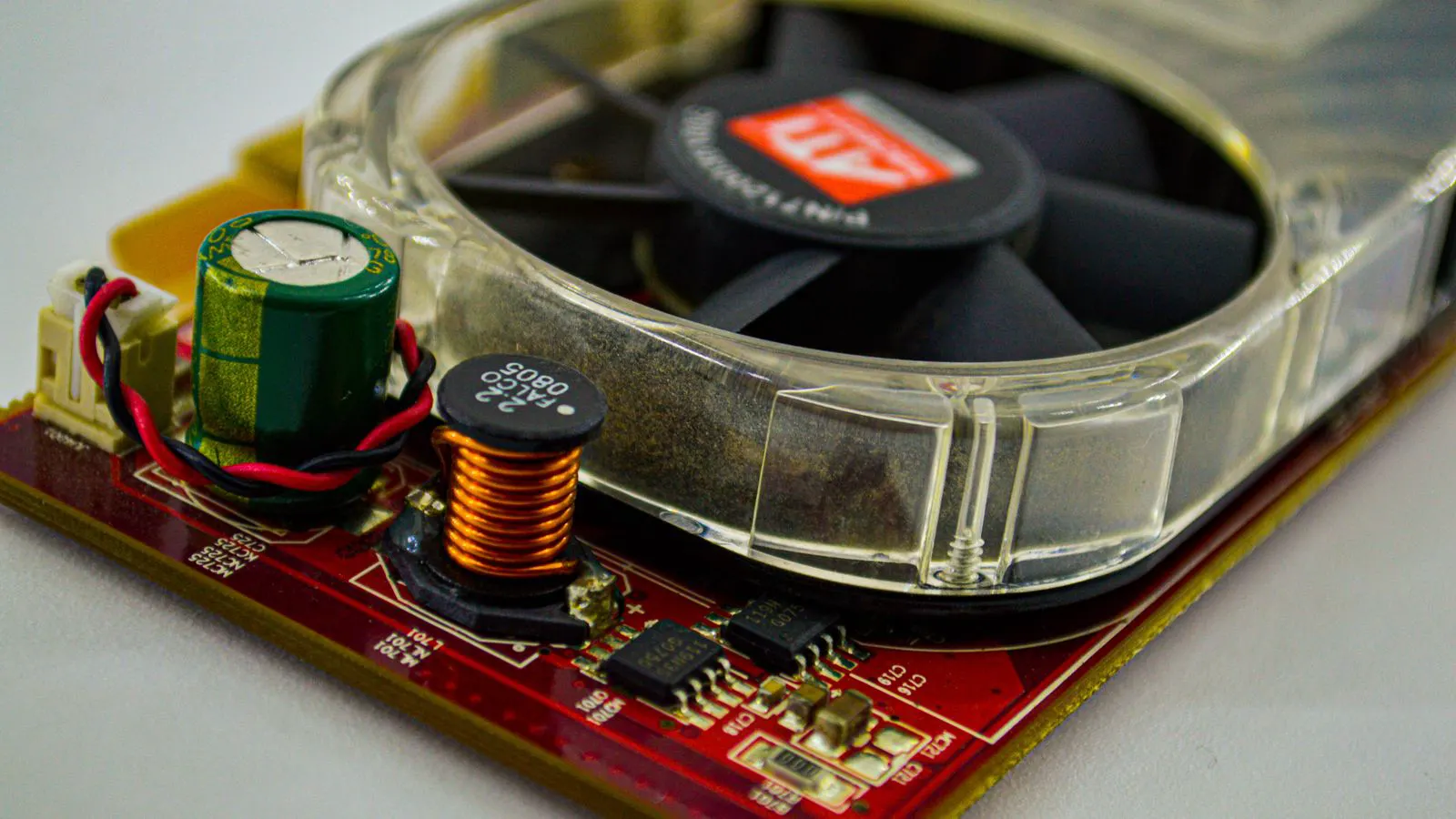
How to Test Capacitor ESR for Predictive Maintenance in Power Systems
ESR testing is a key method for assessing capacitor health in power systems. By measuring equivalent series resistance, maintenance engineers can detect aging, drying
Nov 24, 2026 · 9 min read
Passive Components
Resistor Buyers Guide: Choosing the Right Package and Power Rating
Selecting the right resistor requires balancing power rating, thermal behavior, package size, and tolerance. This guide provides a practical framework for engineers and
Nov 23, 2026 · 8 min read
Counterfeit Prevention
Distributor vs Broker: Spotting Risk in Component Sourcing
Distributors offer traceability but higher costs, while brokers provide flexibility at the expense of documentation. This guide breaks down the risk profile of each
Nov 22, 2026 · 7 min read
Standards & Compliance
Troubleshooting: Why SMD Parts Fail During Reflow
SMD reflow failure usually stems from thermal stress, incorrect profile settings, or component damage. Identify specific symptoms like lifted pads or cracked joints to
Nov 21, 2026 · 7 min read
Counterfeit Prevention
Traceability vs Authentication: Which Matters More
Neither approach alone is enough. Component verification requires pairing traceability records with authentication methods to catch counterfeits at both the document and
Nov 20, 2026 · 7 min read
Choosing a Supplier
Checklist: 6 Steps to Audit a Supplier Before Purchase
This checklist provides six practical steps for auditing a supplier before purchase. It covers document review, capacity checks, quality history, financial health
Nov 19, 2026 · 5 min read
Semiconductors & ICs
How to Read a Datasheet for MOSFET Selection
Reading a MOSFET datasheet requires focusing on voltage, current, and thermal ratings. This guide explains how to interpret key parameters for component selection
Nov 18, 2026 · 7 min read
Counterfeit Prevention
Future of Supply Chain Security in Electronics
Supply chain security is shifting from simple paperwork to continuous digital verification. Engineers and buyers must plan for stronger traceability, advanced
Nov 17, 2026 · 8 min read
Connectors & Switches
Troubleshooting Intermittent Switch Connections
Intermittent switching usually traces to poor contact pressure, contamination, or mechanical wear. This guide provides a structured approach to isolate faults, repair
Nov 16, 2026 · 7 min read