Supply chain security is shifting from simple paperwork to continuous digital verification. Engineers and buyers must plan for stronger traceability, advanced counterfeit detection, and tighter supplier collaboration to protect production and product safety.
- Supply chain security is moving toward continuous digital verification rather than one-time entry checks.
- Buyers should plan for stronger traceability records and digital component passports.
- Advanced counterfeit detection methods are becoming more accessible to mid-sized manufacturers.
- Supplier collaboration is shifting from transactional ordering to shared security responsibilities.
- Component verification requires a mix of automated testing, visual inspection, and documentation review.
How supply chain security is changing for electronic buyers
Counterfeit components keep finding their way into production lines. This happens even when buyers have strict supplier controls and documented approval processes. The problem is that a single point of failure, such as a compromised distributor or a forged certificate, can break the chain of trust. Electronic buyers are responding by building layered verification systems. These systems combine digital records, physical inspection, and active supplier collaboration to confirm that every part is genuine before it reaches the soldering station.
Supply chain security now extends well beyond the moment a shipment arrives at the receiving dock. It covers the entire lifecycle from fabrication to final assembly and even into long-term storage. This shift requires buyers to rethink how they evaluate suppliers, test incoming parts, and manage inventory. The old model of trust based on a signed letter of authorization is no longer sufficient.
The changes are practical and operational. They involve new document formats, better traceability protocols, and tighter controls on component movement. For engineering teams, the goal remains simple. Every part on the board should be verified as genuine before it is soldered. The methods to achieve this are becoming more complex, but the underlying need for certainty is unchanged.
Shift 1: From paperwork to digital traceability
Traditional sourcing relied heavily on certificates of authenticity and supplier declarations. These documents were useful, but they were static. A paper certificate could be forged with relative ease. Once a part left the supplier’s facility, its status became unclear. There was no way to confirm if the part had been resold, returned, or mixed with genuine stock.
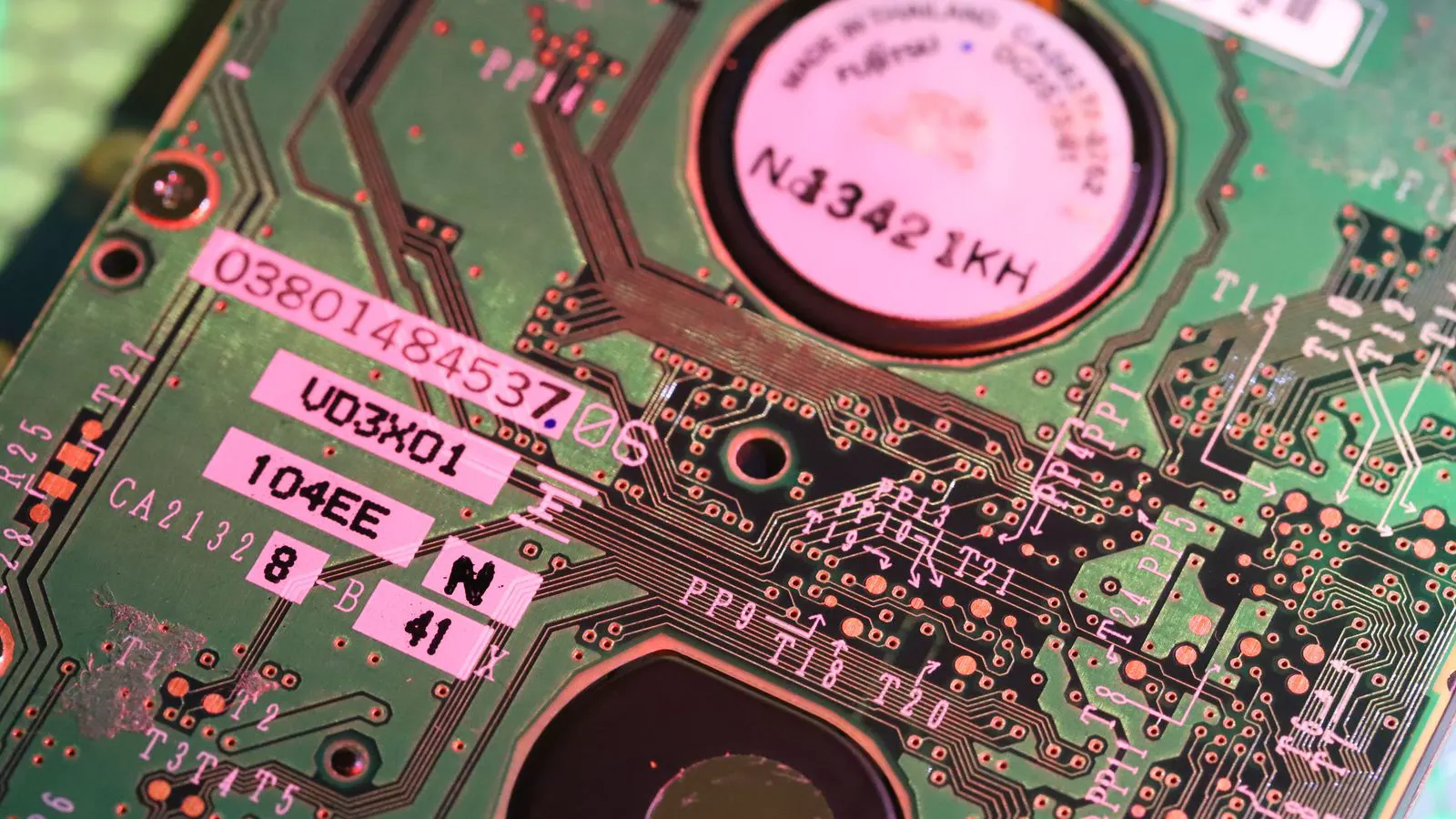
Digital traceability is changing this model. Suppliers are increasingly providing digital records that follow each component lot. These records can include fabrication dates, test results, and distribution history. Buyers can now scan or query these records to confirm a part’s origin. The digital footprint acts as a permanent audit trail that paper documents cannot match.
This shift does not replace paper documentation. It adds a layer. A component may still have a physical label, but the label now points to a digital record. The record can be checked against the supplier’s system at any time. If a part was purchased from an approved distributor, the digital record should reflect that transaction. If the record shows the lot was sold to an unapproved entity, the buyer has a red flag.
For buyers, this means a new skill set. Teams need to understand how to access digital records, verify their integrity, and reconcile them with physical part numbers. The process is more detailed, but it reduces ambiguity. Engineers can now confirm that the part in their hand matches the part that was tested and released by the manufacturer.
Shift 2: Counterfeit detection moving beyond visual checks
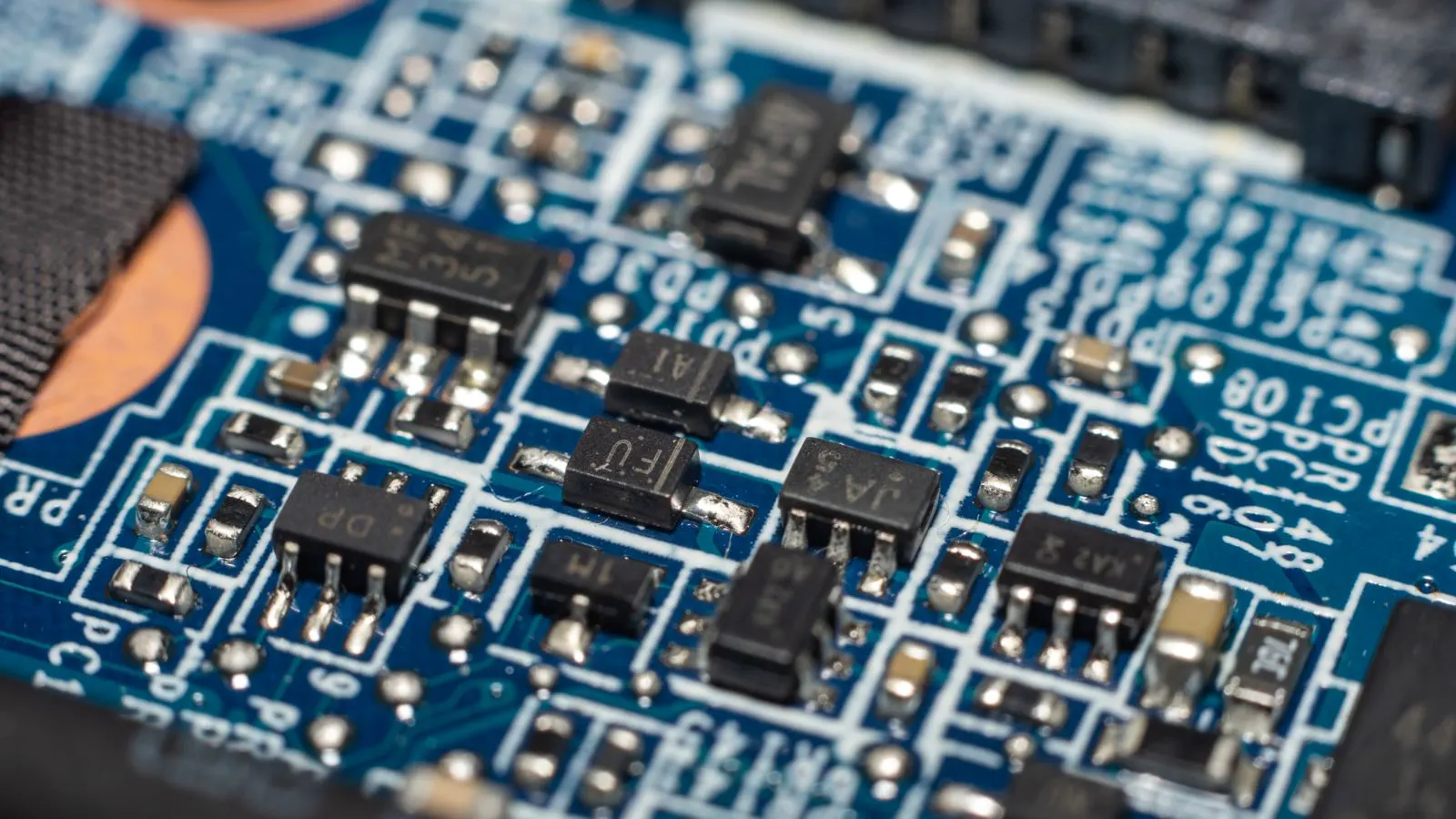
Visual inspection remains a baseline, but it is no longer enough. Many counterfeits are now produced with high-quality markings and packaging. A quick look under a lamp may not reveal a fake. Some counterfeiters use laser engraving or high-resolution printing to replicate the appearance of genuine parts. The labels and boxes look identical to the originals.
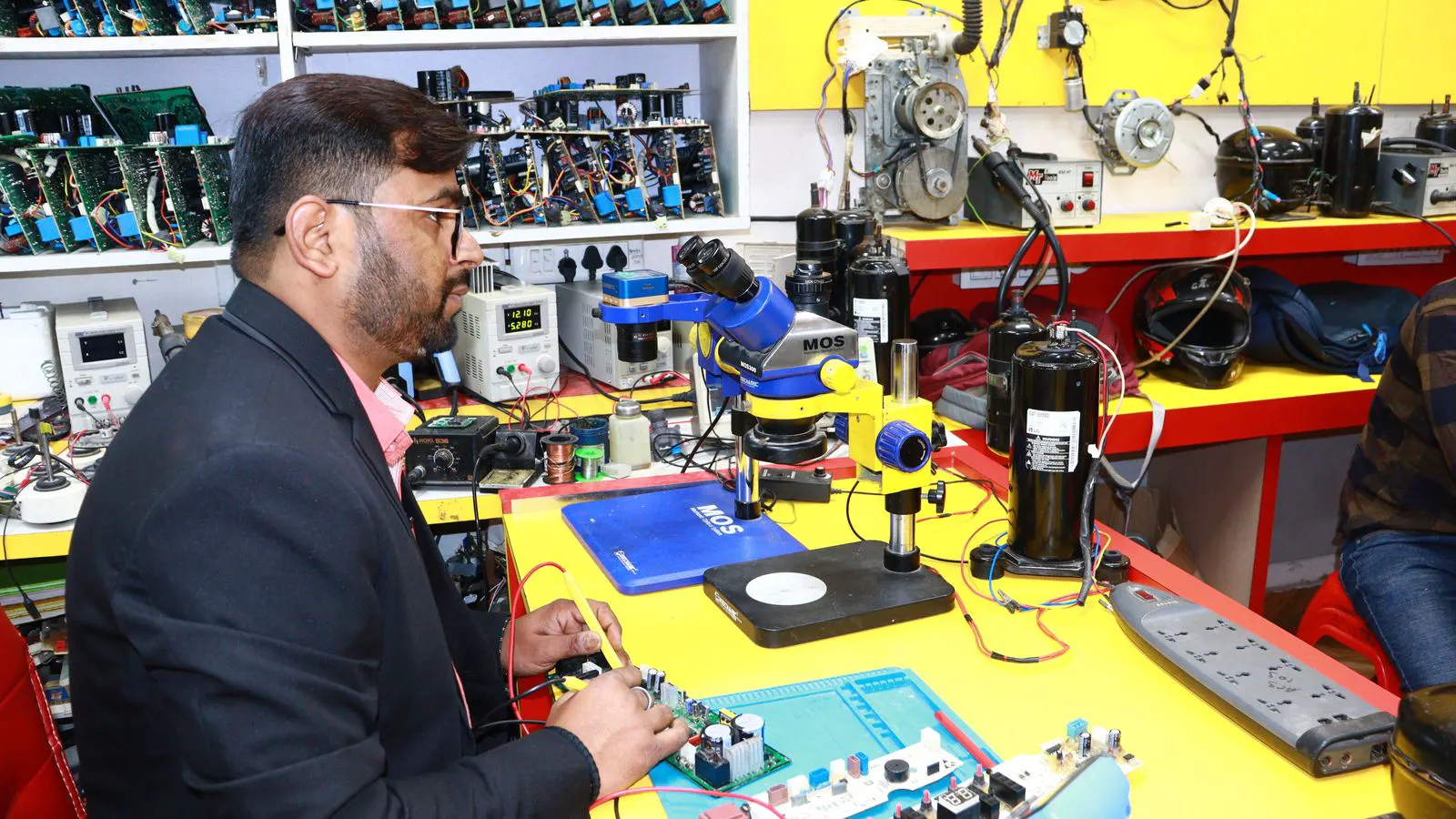
Advanced counterfeit detection methods are becoming more common. These include X-ray analysis, solder joint inspection, and material composition testing. Some facilities use automated systems that compare internal structures of a part against known genuine profiles. For example, X-ray imaging can reveal if a die is missing or if the internal bonding is inconsistent with genuine parts. This is especially useful for complex integrated circuits where the internal structure is difficult to see from the outside.
The cost of these methods has fallen over time. Mid-sized manufacturers can now access these tools or work with third-party testing labs. The trade-off is time and cost. Every part cannot be subjected to full destructive testing. A buyer cannot afford to burn through a pallet of resistors just to confirm the metal content.
Buyers should identify which parts are most at risk. High-value integrated circuits, microcontrollers, and specialized sensors often warrant deeper testing. Lower-risk components may pass with simpler verification steps. The risk profile of a part dictates the depth of the inspection required.
Shift 3: Component verification as a continuous process
Verification used to be a one-time event. A part arrived, a technician checked the box, and the part entered inventory. The verification was complete. If a counterfeit was introduced later, there was no trace.
Now, verification is continuous. Digital records allow teams to re-check a component’s status at any point. If a supplier updates a lot’s test results, that update can appear in the buyer’s system. If a new counterfeit pattern emerges, suppliers can flag affected lots. This real-time visibility changes how buyers manage risk.
This continuous model requires better data integration. Buyers need systems that can handle incoming data from multiple suppliers and cross-reference it with internal inventory records. The data must be structured and accessible. If the data is locked in a proprietary format or requires manual entry, the system fails.
The benefit is clearer. If a problem is found in one lot, the team can trace other lots that may be affected. This reduces the risk of a bad batch reaching production. The ability to trace a specific die or lot back to its fabrication source is a powerful tool for quality control.
Shift 4: Supplier collaboration becomes a shared responsibility
Buyers once treated suppliers as transactional partners. The supplier delivered parts, and the buyer accepted or rejected them. That model is weakening. Supply chain security now requires shared responsibility. Buyers and suppliers must agree on what counts as verified. They must exchange information about test methods, traceability records, and potential counterfeit threats.
This does not mean every buyer must become a supplier. It means buyers must engage in ongoing dialogue. They should ask about a supplier’s testing capabilities. They should request sample records for digital traceability. They should discuss how a supplier handles a suspected counterfeit. These conversations build trust and transparency.
The relationship is more complex, but it is more secure. Suppliers who invest in traceability and testing can differentiate themselves. Buyers who demand these practices get better protection. A supplier who provides detailed digital records is signaling that it takes quality seriously. A buyer who refuses to verify these records is taking on unnecessary risk.
Shift 5: Risk-based sourcing instead of blanket controls
Applying the same level of inspection to every component is inefficient. A high-volume resistor may not need the same scrutiny as a high-value power management IC. The cost of inspection must match the risk of failure.
Risk-based sourcing assigns verification steps based on a part’s value, function, and counterfeit risk. This approach requires buyers to build a risk profile for each component. The profile considers the part’s cost, its availability, and its past counterfeit history. If a part is frequently counterfeited, it moves to a higher risk tier.
The result is a smarter use of resources. Teams can focus their testing and documentation review where it matters most. Lower-risk parts can pass with simpler checks. This allows the inspection team to spend more time on the parts that actually threaten the product’s safety or performance.
This method also helps with inventory planning. If a part is high-risk, buyers may order smaller quantities and verify each lot. If a part is low-risk, they can order larger quantities and spot-check. This balance keeps the supply chain moving without sacrificing security.
How buyers should prepare for these shifts
Preparation does not require a major overhaul. It requires a step-by-step approach.
- Audit current verification methods. Identify which parts rely on visual checks only. Determine which parts need deeper testing. Look for gaps in the current process.
- Request digital traceability records from key suppliers. Ask how the records are generated and how they can be verified. Ensure the data is accessible and structured.
- Define a risk profile for each component. Use part value, function, and counterfeit history to guide verification steps. Update this profile regularly.
- Update supplier agreements to include traceability requirements. Specify what digital records must be provided and how often. Make these requirements explicit in the contract.
- Train inspection teams on new tools. Ensure technicians understand how to interpret digital records and use advanced detection methods. Provide hands-on training with new equipment.
These steps build a stronger foundation. They do not guarantee zero counterfeits, but they reduce the risk significantly. The goal is to create a system that is resilient to changes in the supply chain.
A practical comparison of verification methods
The table below summarizes common verification methods and their typical use cases.
| Verification Method | Typical Use | Strength | Limitation |
|---|---|---|---|
| Visual inspection | All incoming parts | Quick and low cost | May miss high-quality fakes |
| Digital traceability check | High-value or critical parts | Links part to fabrication record | Requires supplier cooperation |
| X-ray analysis | Integrated circuits and QFN packages | Reveals internal structure | Requires specialized equipment |
| Material composition testing | Suspected counterfeits | Confirms material authenticity | Destructive or time-consuming |
| Lot-level testing | New suppliers or high-risk lots | Catches batch-level issues | Does not cover every unit |
No single method is enough. Buyers should combine methods based on risk. A layered approach ensures that no single point of failure compromises the entire verification process.
What to expect in the coming years
The direction is clear. Supply chain security in electronics is becoming more data-driven and more collaborative. Buyers will see more suppliers offering digital component passports. They will also see more third-party testing services that specialize in counterfeit detection. The technology is improving, but the core challenge remains. Counterfeiters adapt. They improve their packaging and markings. They target high-demand parts. The defense must adapt too.
Buyers who take a proactive approach will find better protection. They will also find better supplier relationships. The suppliers who invest in traceability and testing are the ones who will remain reliable partners. The next step is simple. Review the current verification process. Identify the gaps. Start with the highest-risk parts. Build the system one layer at a time.
Frequently asked questions
How can I verify digital traceability records from a supplier?
Request a sample record for a recent lot. Ask the supplier how the record is generated and how it can be independently verified.
What is the minimum verification for a new supplier?
Start with visual inspection and a digital traceability check. Add deeper testing if the part is high-value or high-risk.
Can I rely on a certificate of authenticity alone?
No. Certificates are useful, but they should be part of a layered verification system that includes digital records and physical checks.
How do I decide which parts need deeper testing?
Use a risk profile based on part value, function, and counterfeit history. High-risk parts warrant more testing.
What should I do if I find a suspected counterfeit?
Quarantine the affected lot. Notify the supplier. Request a traceability review. Update your risk profile to prevent future issues.