Connectors & Switches
Troubleshooting Intermittent Switch Connections
Intermittent switching usually traces to poor contact pressure, contamination, or mechanical wear. This guide provides a structured approach to isolate faults, repair
Technical insights on reliable interconnects, switching solutions, and contact materials for robust electrical and electronic systems.
Intermittent switching usually traces to poor contact pressure, contamination, or mechanical wear. This guide provides a structured approach to isolate faults, repair
Custom electrical connector costs depend on volume, tooling, materials, and certification. Lead time is shaped by design approval, tooling, and testing. Clear RFQs and
High contact resistance increases contact heat, accelerates material deformation and oxidation, and reduces switch life. Proper switch selection controls this trade-off.
High-current interconnects are shifting toward lower contact resistance and better thermal management. This guide outlines five practical material and design trends. R&D
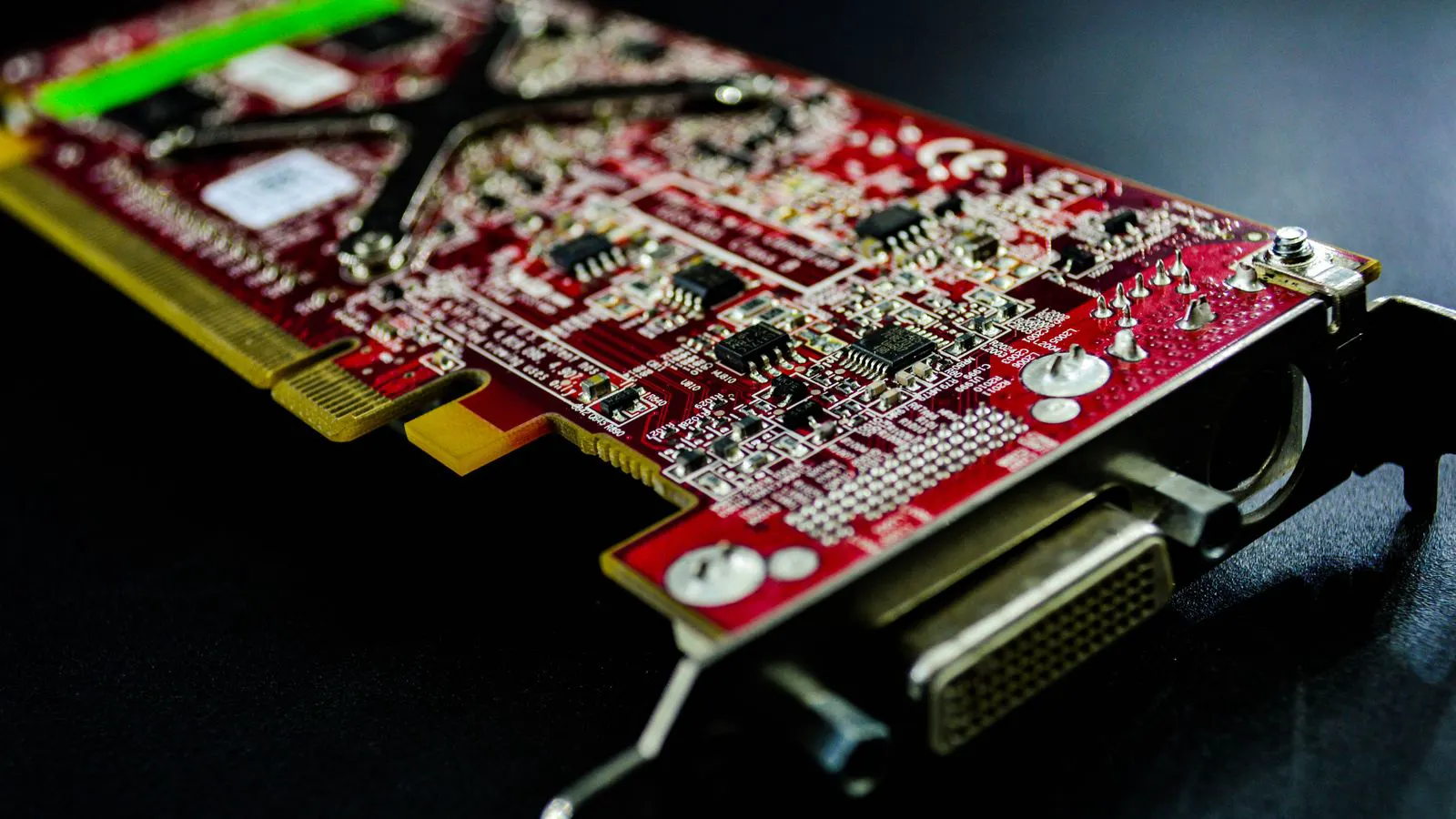
Pin-to-pin connectors use male pins on both boards, while board-to-board types use a single mating face. The choice depends on spacing, vibration, service life, and

A reliable connector inspection involves checking mechanical fit, contact resistance, pin alignment, and environmental sealing. This checklist provides practical visual
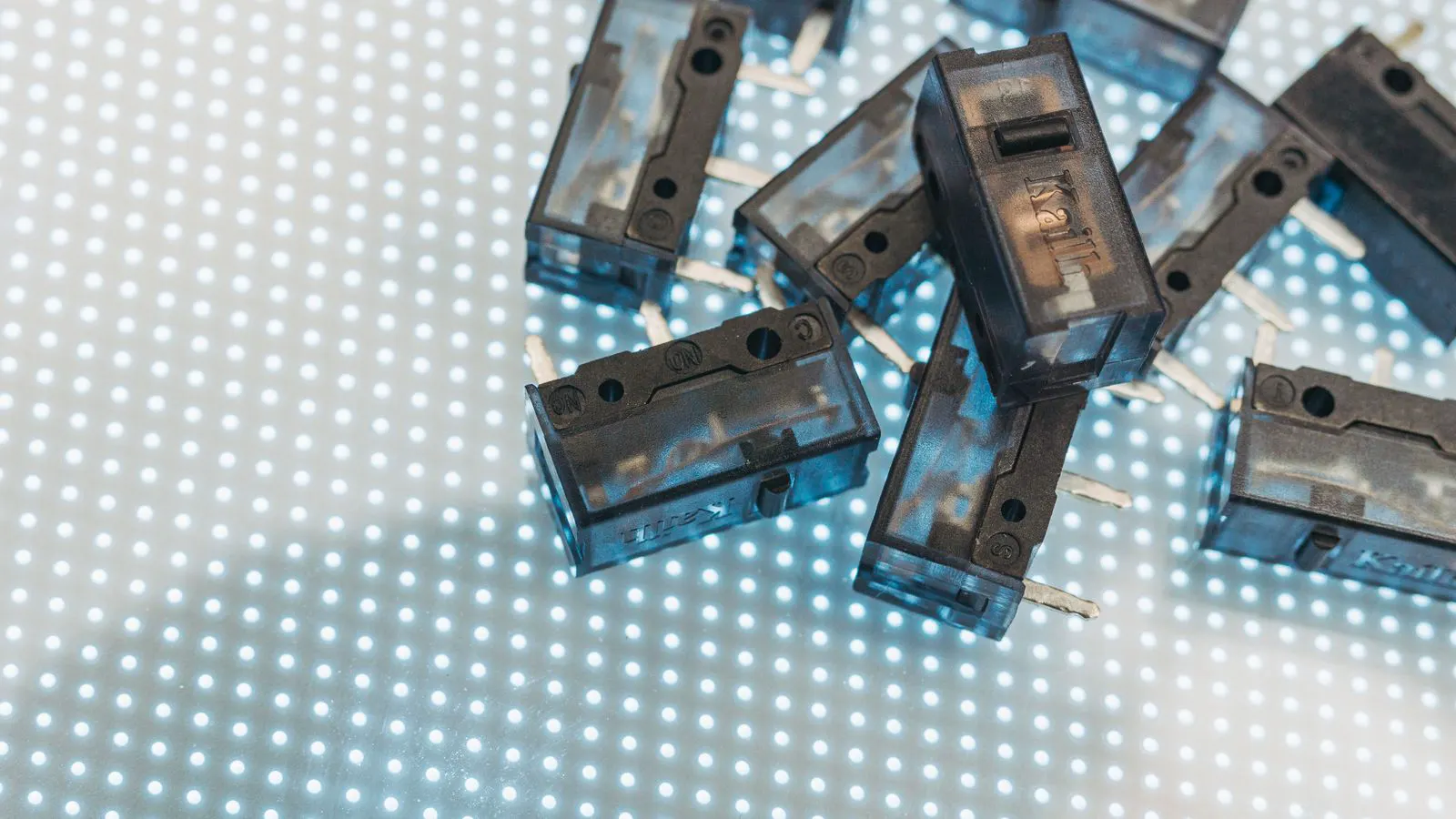
Use a 4-wire Kelvin setup to isolate lead resistance from the contact path. Measure voltage drop and current through the switch, then calculate contact resistance.
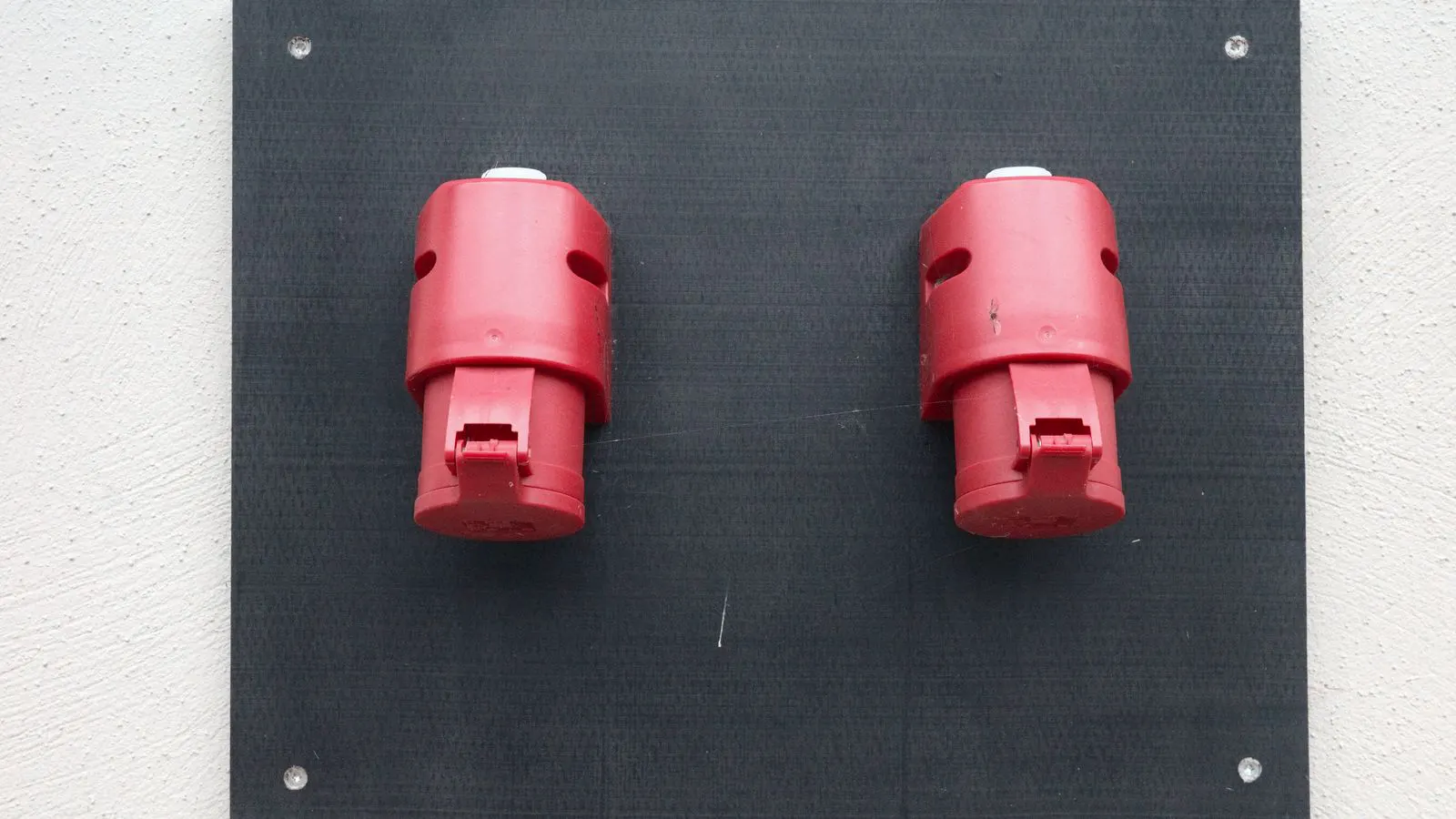
Choose industrial electrical connectors by matching load ratings, environmental protection, and mechanical durability to specific application needs. This guide provides