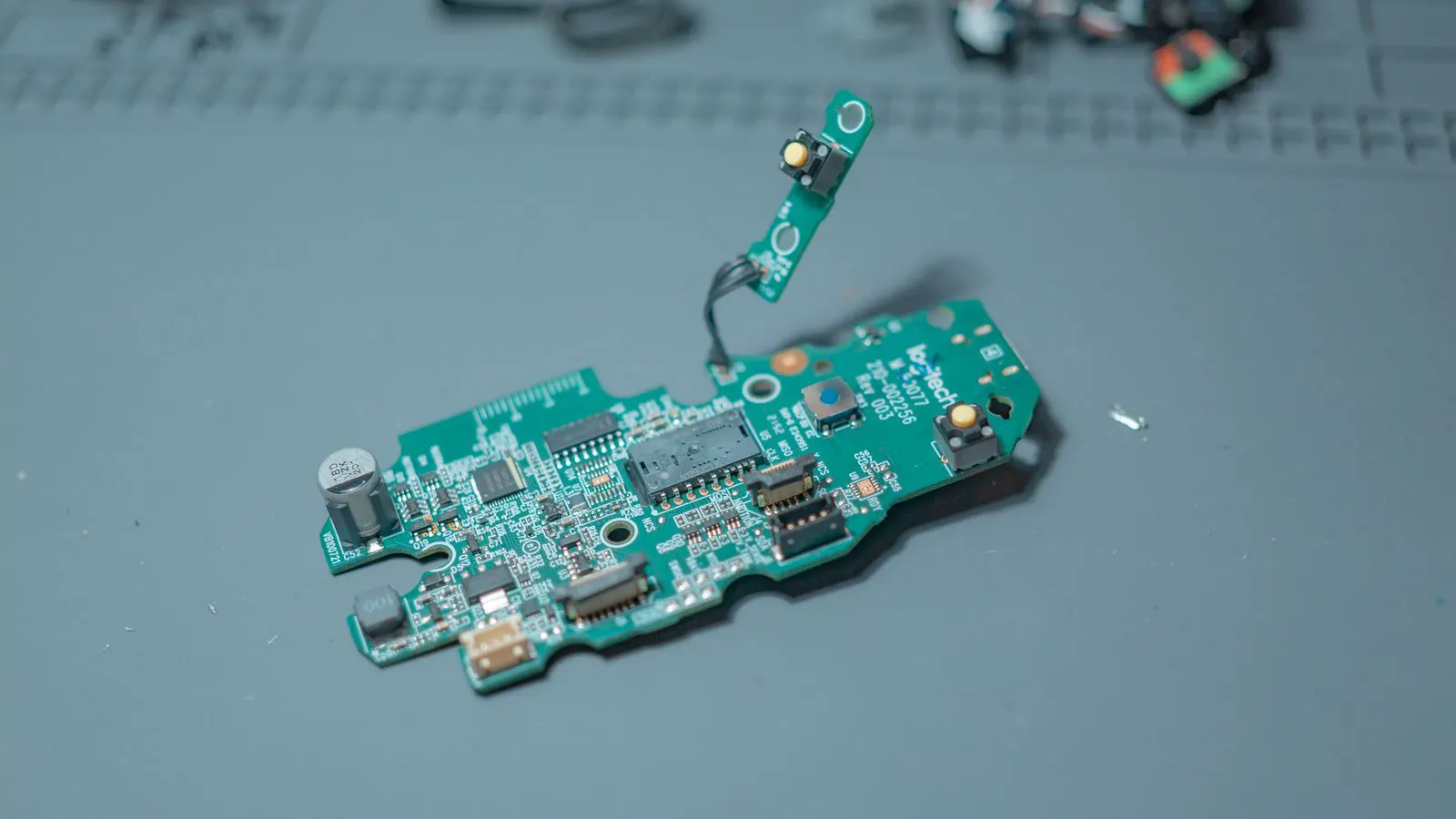
Use this checklist to vet new suppliers before placing orders. It covers technical capability, financial stability, and risk controls. The process reduces supply disruption and quality failures in your procurement strategy.
- Validate technical capability before trusting a supplier with critical parts.
- Check financial health and logistics to avoid sudden service disruptions.
- Implement a staged qualification process to limit initial risk.
- Review compliance and audit rights to protect your brand and liability.
- Document every check to keep supplier management consistent across teams.
Why a Structured Supplier Qualification Process Matters
New suppliers introduce new risks. A missing datasheet, a weak QA process, or a hidden capacity limit can halt a production line. A structured approach protects your supply chain. It also builds a defensible record for internal audits.
This guide provides a copyable checklist for vetting new suppliers. It groups checks by theme so your team can complete the process efficiently. Use it for both established distributors and emerging manufacturers.
1. Technical and Product Capability
Start with the product itself. Verify that the supplier can meet your exact specifications. This step prevents costly rework and delays.
Check the following items:
- Datasheet and Rev Validation. Confirm the part number, revision, and pin configuration match your engineering requirements. Ask for the latest datasheet.
- Material Certificate Review. Request material test reports for critical alloys or substrates. This confirms the source and composition of the material.
- Tolerance and Performance Limits. Review the supplier’s actual yield rates and defect rates. Compare these against your internal acceptance limits.
- Sample Testing. Run a small batch through your incoming quality control. Check for solderability, mechanical fit, and electrical function.
Red Flags:
- Supplier refuses to provide material certificates.
- Datasheets do not match the part on the shelf.
- Sample parts fail basic visual or electrical tests.
- Supplier cannot explain the manufacturing process for the specific part.
2. Quality Management Systems
Quality systems determine how the supplier handles non-conformance. A weak system leads to recurring defects and long resolution times.
Check the following items:
- Certification Status. Verify if the supplier holds recognized quality certifications. Look for recent audit dates.
- Non-Conformance Process. Ask how they identify, isolate, and communicate defects. Request a sample report.
- Corrective Action Protocol. Review their method for root cause analysis. Ask for a recent example of a customer complaint and the fix.
- Traceability. Confirm they track batches back to raw material lots. This is critical for recalls.
Red Flags:
- No documented non-conformance process.
- Inability to trace a specific serial number.
- Reliance on verbal assurances for quality.
- Long response times to quality queries.
3. Financial and Operational Stability
A financially unstable supplier can disappear or cut corners to survive. Stability protects your continuity.
Check the following items:
- Financial Health. Review publicly available financial statements or credit reports. Look for cash flow trends and debt levels.
- Capacity and Utilization. Ask about current capacity versus demand. High utilization can mean slower response to spikes.
- Business Continuity Plan. Verify they have a backup site or process. Ask about their disaster recovery plan.
- Key Personnel. Check for recent leadership changes or high staff turnover. Instability often follows key departures.
Red Flags:
- Negative cash flow for multiple quarters.
- High customer concentration (one customer is a large share of revenue).
- No documented business continuity plan.
- Frequent changes in sales or engineering contacts.
4. Logistics and Lead Time Reality
The quote lead time is not always the real lead time. Validate the actual flow of goods.
Check the following items:
- Production Lead Time. Ask for the time from order to first shipment. Get this in writing.
- Shipping and Incoterms. Clarify who pays for freight, insurance, and duties. Use clear Incoterms in the contract.
- Packaging and Labeling. Ensure packaging protects the parts during transit. Check label accuracy for part numbers and dates.
- Inventory Visibility. Ask if they provide real-time stock levels. This helps you plan component sourcing more effectively.
Red Flags:
- Vague lead times like “2-4 weeks” without specifics.
- Refusal to share inventory status.
- Poor packaging or damaged samples on arrival.
- History of late deliveries or missing shipments.
5. Compliance and Ethical Standards
Compliance issues can damage your brand and create legal risk. This step protects your reputation.
Check the following items:
- Conflict Mining Policy. Verify they have a policy against using conflict minerals. Ask for a source declaration.
- Labor Practices. Review their code of conduct. Look for evidence of regular audits.
- Data Privacy. Check how they handle your IP and technical data. Ensure they sign a strict NDA.
- Regulatory Compliance. Confirm they meet local and international regulations for the parts supplied.
Red Flags:
- No documented conflict mineral policy.
- Refusal to sign a standard NDA.
- Vague answers about labor practices.
- Lack of regulatory compliance certificates.
6. Commercial Terms and Risk Sharing
Clear commercial terms reduce disputes and protect your margins. This is where supplier management becomes a legal and financial exercise.
Check the following items:
- Pricing Structure. Clarify if prices are fixed or variable. Define the index or formula if variable.
- Payment Terms. Negotiate terms that match your cash flow. Net 30 to Net 60 is common.
- Penalties for Delays. Include clauses for late delivery or quality failures.
- Right to Audit. Secure your right to audit their facilities and processes. This is non-negotiable for critical suppliers.
Red Flags:
- Refusal to agree to audit rights.
- Unreasonable payment terms.
- No penalty clauses for non-performance.
- Ambiguous pricing language.
7. Pilot Order and Integration
A pilot order tests the supplier in a controlled environment. It reveals issues that paperwork misses.
Check the following items:
- Order Placement. Place a small order for one or two critical parts.
- Tracking and Communication. Monitor the order from placement to delivery. Note any delays or communication gaps.
- Incoming Inspection. Inspect the pilot parts thoroughly. Document any deviations.
- Feedback Loop. Share findings with the supplier. Observe their reaction and resolution speed.
Red Flags:
- Poor communication during the pilot.
- Late delivery without warning.
- Quality deviations in the pilot batch.
- Unwillingness to address issues found in the pilot.
8. Final Qualification and Ongoing Monitoring
Qualification is not a one-time event. It is a continuous process. This step formalizes the supplier in your system.
Check the following items:
- Supplier Scorecard. Create a scorecard based on the checks above. Rate the supplier on quality, delivery, cost, and service.
- Contract Review. Ensure all agreed terms are in the final contract.
- Training. Brief your procurement and engineering teams on the new supplier’s specifics.
- Review Schedule. Set a periodic review date, usually quarterly or annually.
Red Flags:
- No scorecard or review schedule.
- Teams are unaware of the new supplier’s quirks.
- Contract terms do not match the agreed pilot results.
- No clear owner for the supplier relationship.
Supplier Qualification Checklist Summary
Use this table to track your progress. Print it or copy it into your ERP or spreadsheet.
| Theme | Key Check | Status | Notes |
|---|---|---|---|
| Technical | Datasheet & Rev Validation | [ ] | |
| Quality | Non-Conformance Process | [ ] | |
| Financial | Business Continuity Plan | [ ] | |
| Logistics | Production Lead Time | [ ] | |
| Compliance | Conflict Mining Policy | [ ] | |
| Commercial | Right to Audit | [ ] | |
| Pilot | Incoming Inspection | [ ] | |
| Final | Supplier Scorecard | [ ] |
Common Mistakes in Supplier Management
Teams often skip steps to save time. This saves hours but costs thousands.
- Skipping the Pilot. Moving straight to volume orders without a test batch. The first big shipment may fail.
- Ignoring Red Flags. Noting a late reply or a missing certificate but deciding to proceed anyway.
- No Single Owner. Multiple people managing the same supplier without a clear lead. This creates gaps in communication.
- Static Records. Keeping supplier data in an old email thread instead of a central system. Data becomes stale and wrong.
How to Keep Supplier Management Current
Supplier conditions change. Prices shift. Leadership changes. Processes evolve. Your checklist needs to be a living document.
- Quarterly Reviews. Re-evaluate key suppliers every quarter. Update their scorecards.
- Event-Driven Checks. Trigger a new check after a major quality failure or a market disruption.
- Feedback Integration. Use feedback from your production floor to update your checks. If a part has a soldering issue, check the supplier’s process.
- Technology Use. Use ERP tools to automate alerts for contract renewals and audit dates.
Final Thoughts
Validating new suppliers is a structured discipline. It protects your production, your margins, and your reputation. Use this checklist to build a repeatable process. It reduces risk and builds confidence in your supply chain.
A good supplier is a partner. A qualified supplier is a partner you can trust. Start with the checks. Move slowly. Scale when the evidence supports it.
Frequently asked questions
How long should the supplier qualification process take?
It depends on the part's criticality and the supplier's history. A standard process usually takes two to six weeks. Critical parts may require longer due to sample testing and audits.
Can I qualify a supplier without an on-site audit?
Yes, for lower-risk parts. You can use remote audits, third-party reports, and pilot orders. However, for critical suppliers, an on-site audit is strongly recommended to verify practices.
What if a supplier fails one check?
Assess the severity of the failure. A minor issue like a late reply may be acceptable with a monitoring plan. A major issue like a quality failure or refusal to audit should disqualify the supplier.
How often should I re-evaluate existing suppliers?
At least annually for all suppliers. For critical suppliers, review them quarterly or after any significant market change. This keeps your supplier management process current.
Do I need a separate contract for each new supplier?
Yes. A standard contract template should be customized for each supplier. This ensures specific terms, penalties, and scope are clearly defined.