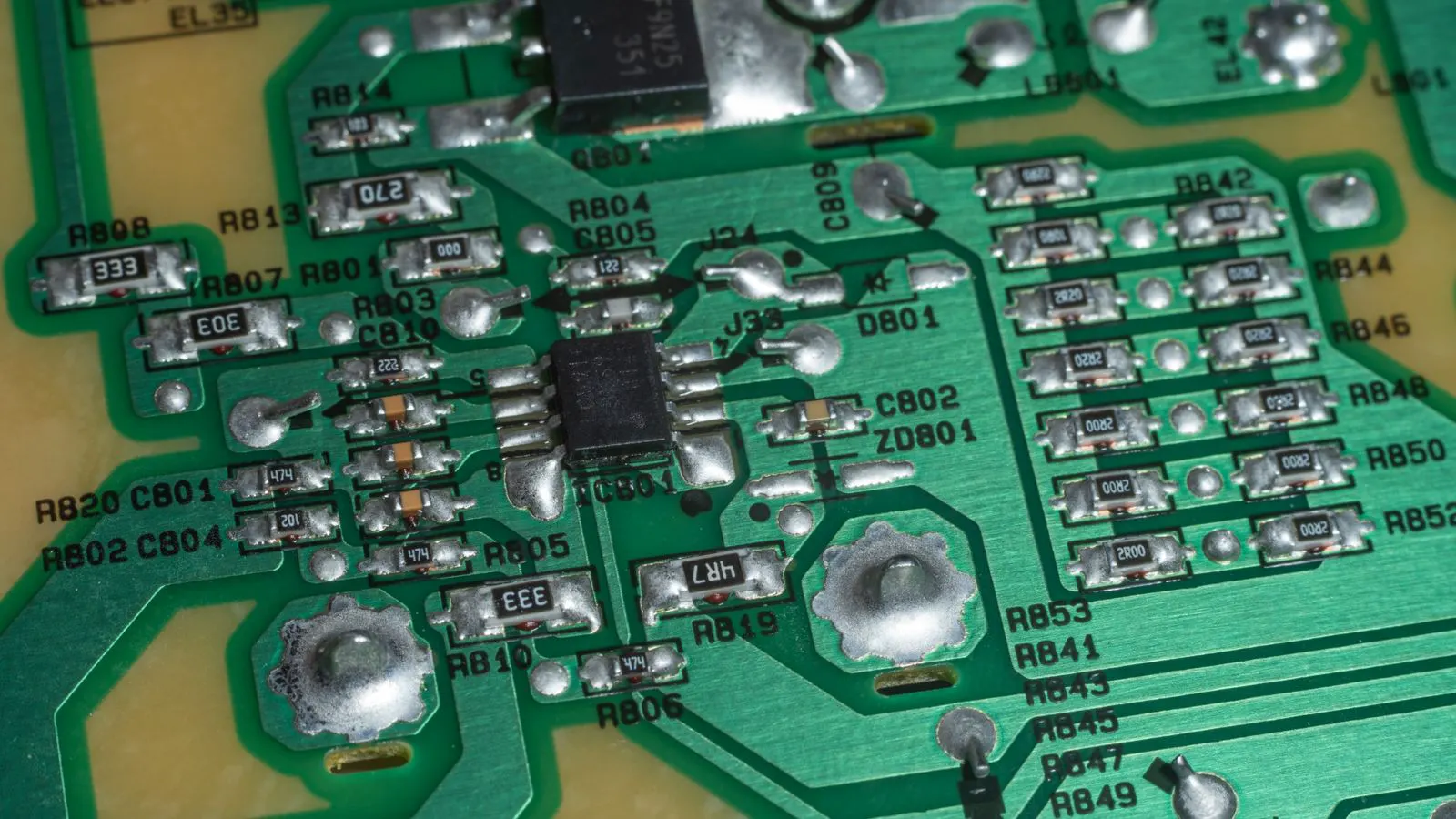
A reliable electronic distribution partner offers verified inventory, transparent traceability, and responsive technical support. Evaluating partners against clear criteria helps procurement teams reduce supply chain risk and maintain production schedules.
- Verify distributor inventory against manufacturer data sheets and certifications before placing orders.
- Require full traceability documentation, including batch numbers and inspection reports.
- Assess technical support responsiveness to resolve design and compliance issues quickly.
- Include clear service level agreements and penalty clauses in contracts to protect procurement.
- Use multiple qualified suppliers to mitigate single-point failure risks in the supply chain.
Why distributor quality directly impacts production
Electronic procurement fails when parts arrive late, lack documentation, or do not match the required specifications. A poor distribution partner creates downstream problems that extend beyond the initial purchase order.
Production lines stop when a missing part cannot be replaced quickly. Engineers waste hours troubleshooting components that fail inspection. Compliance audits stall when traceability records are missing or incomplete.
Choosing the right partner requires more than price comparison. You need a supplier that protects your quality, schedule, and compliance obligations.
Define your sourcing requirements first
Before contacting distributors, document your specific needs. Identify the part numbers you need, the monthly volumes, and the delivery windows.
Specify quality requirements. Some projects need IATF 16949 certified suppliers for automotive parts. Others require UL listed components. List the standards your customers or internal quality gates demand.
Determine your acceptance criteria. Do you require incoming inspection? Do you need batch-level traceability? Will you accept rework or only new stock?
Writing these requirements down helps you compare suppliers fairly. It also gives your team a baseline for evaluating proposals.
Evaluate inventory accuracy and traceability
Inventory accuracy is the foundation of a reliable distribution partner. A distributor that claims to have stock but cannot release it on time causes delays.
Ask how inventory is managed. Do they use real-time systems that reflect actual warehouse stock? Or do they rely on estimates that may be outdated?
Traceability matters for quality control. Each lot should have a unique identifier linking it back to the manufacturer. Request sample documentation for a recent order. Check for part numbers, batch codes, dates, and inspection results.
Weak traceability creates risk. If a component fails in the field, you need to identify which lots were shipped to your site. Without that data, you may have to replace entire batches or face customer claims.
Assess technical support and engineering resources
Technical support separates a transactional vendor from a true sourcing partner. You need someone who can answer design questions, substitute parts when necessary, and help resolve compliance issues.
Test their response time. Send a technical question and measure how long they take to reply. A good partner responds within business hours and provides useful information.
Ask about their engineering team. Do they have FAEs who can review your circuit designs? Can they help with component selection for new projects?
Some distributors only sell. Others work with your engineers to solve problems. For complex projects, technical depth saves time and prevents costly design errors.
Review financial stability and compliance
A distributor facing financial trouble may cut corners on quality or stop supporting your accounts. Check their business history and financial health.
Ask about their compliance programs. Do they follow anti-counterfeit policies? Do they screen suppliers for conflict minerals? Review their quality management system.
Request their audit reports. A reputable distributor will share their ISO 9001 certificate or similar quality certification. They should be able to explain their process for identifying and removing counterfeit parts.
Counterfeit components are a serious risk. They fail unpredictably and can cause safety issues. A strong distributor has documented procedures to prevent counterfeits from entering your supply chain.
Compare pricing structures and terms
Price is a factor, but it is not the only one. Compare total cost of ownership, not just the unit price.
Include freight, duties, and potential expedited shipping costs. A slightly higher unit price with reliable delivery often costs less than a low price with late shipments.
Review payment terms. Net 30 is common, but some distributors require prepayment for new customers. Long payment terms help your cash flow but may affect your negotiating power.
Ask about price validity. Do prices change monthly or quarterly? Are there minimum order quantities? Understanding these terms prevents surprise charges on your purchase orders.
Evaluate service level agreements
A service level agreement defines what you can expect from your distributor. It should cover delivery times, fill rates, and support response.
Specify delivery windows. If you need parts by a certain date, state it clearly. Ask how they handle shortages. Do they offer alternate part numbers or backorder notifications?
Define fill rate expectations. A 95 percent fill rate means most orders arrive complete. The remaining five percent may be short or backordered. This number should be in writing.
Include penalty clauses for chronic underperformance. If a distributor repeatedly misses delivery dates, you need a mechanism to address the problem.
Practical criteria for evaluating distributors
Use this table to compare potential partners during your evaluation process.
| Criterion | What to look for | Why it matters |
|---|---|---|
| Inventory accuracy | Real-time stock levels, regular cycle counts | Prevents orders from being placed on unavailable parts |
| Traceability | Batch codes, lot numbers, inspection reports | Enables recalls and quality investigations |
| Technical support | FAE access, response time, design review | Solves engineering problems before production |
| Financial stability | Business history, audit reports, certifications | Protects your supply if the distributor fails |
| Compliance | Anti-counterfeit policies, conflict mineral screening | Avoids legal and safety risks from bad parts |
| Delivery performance | On-time delivery rates, fill rates, backorder handling | Keeps your production schedule on track |
Build your qualified supplier list
Do not rely on a single distributor. Build a list of qualified suppliers for each critical component.
Start with three to five potential partners. Run a trial order through each one. Evaluate the parts, the documentation, and the communication.
Document your findings. Note the lead times, the quality of the response, and any issues you encountered. This data helps you make future purchasing decisions.
Keep your qualified supplier list updated. Distributors change. Some improve. Others decline. Review your list regularly and add new partners as needed.
Negotiate terms with confidence
When you have a shortlist, negotiate your terms. You have more power when you can walk away.
Ask for volume discounts. If you commit to annual volumes, distributors often offer better pricing.
Request extended warranty terms. Some distributors cover defects for longer periods if you use their full inventory.
Clarify return policies. Do you have the right to return defective parts? What is the process for claiming refunds?
Get everything in writing. Verbal promises do not protect you when problems arise.
Measure and manage your supplier performance
Once you start working with a distributor, track their performance. Create a scorecard that measures delivery, quality, and support.
Review the scorecard quarterly. Discuss results with the supplier. Highlight wins and address issues.
If a distributor consistently underperforms, reduce your business with them. Shift orders to a better partner.
If a distributor improves, reward them. Increase order volume or give them first choice on new projects.
Supplier management is an ongoing process, not a one-time event. The best partners earn your trust through consistent performance.
A decision checklist for choosing your distributor
Use this checklist before finalizing your selection.
- Verify inventory availability with recent purchase order confirmations.
- Request sample traceability documentation for a recent lot.
- Test technical support with a design question and measure response time.
- Review financial stability and compliance certifications.
- Compare total cost including freight, duties, and payment terms.
- Draft service level agreements with clear delivery and fill rate targets.
- Run trial orders through each candidate supplier.
- Document findings and score each supplier against your criteria.
- Select two or three qualified partners to diversify risk.
- Establish a quarterly review process to monitor performance.
Choosing a reliable electronic distribution partner protects your production, quality, and compliance. It takes time to evaluate candidates, but the process prevents costly failures later.
Start with your requirements. Compare suppliers against clear criteria. Test them with trial orders. Select partners who deliver on every front.
A good distribution partner becomes an extension of your team. They help you source components, solve problems, and keep your lines running.
Frequently asked questions
How do I verify that a distributor is an authorized agent?
Contact the manufacturer directly and ask for a list of authorized distributors. You can also request the distributor's authorization letter for your specific part numbers.
What is the best way to handle counterfeit risk?
Require full traceability documentation and insist on anti-counterfeit procedures. Ask for inspection reports and keep records of every lot you receive.
Should I use a single distributor for all my parts?
No, avoid single points of failure. Use multiple qualified suppliers for critical components. This protects your supply if one distributor has issues.
How often should I review my supplier performance?
Review performance quarterly. Track delivery, quality, and support metrics. Address issues promptly and adjust your supplier mix based on the results.
What happens if a distributor goes out of business?
You may face supply disruption. This is why you should keep a list of qualified alternative suppliers and maintain stock of critical parts as a buffer.