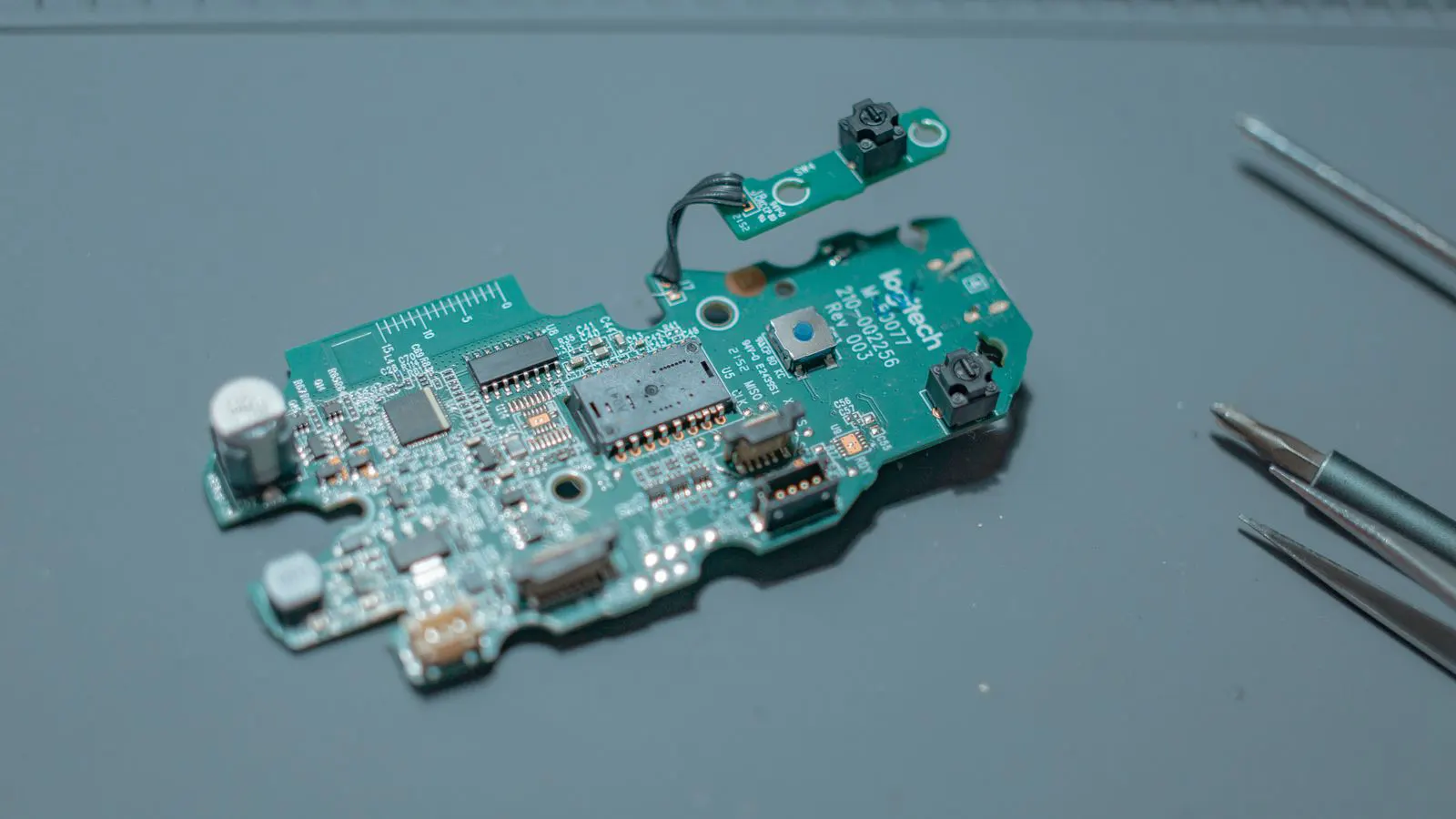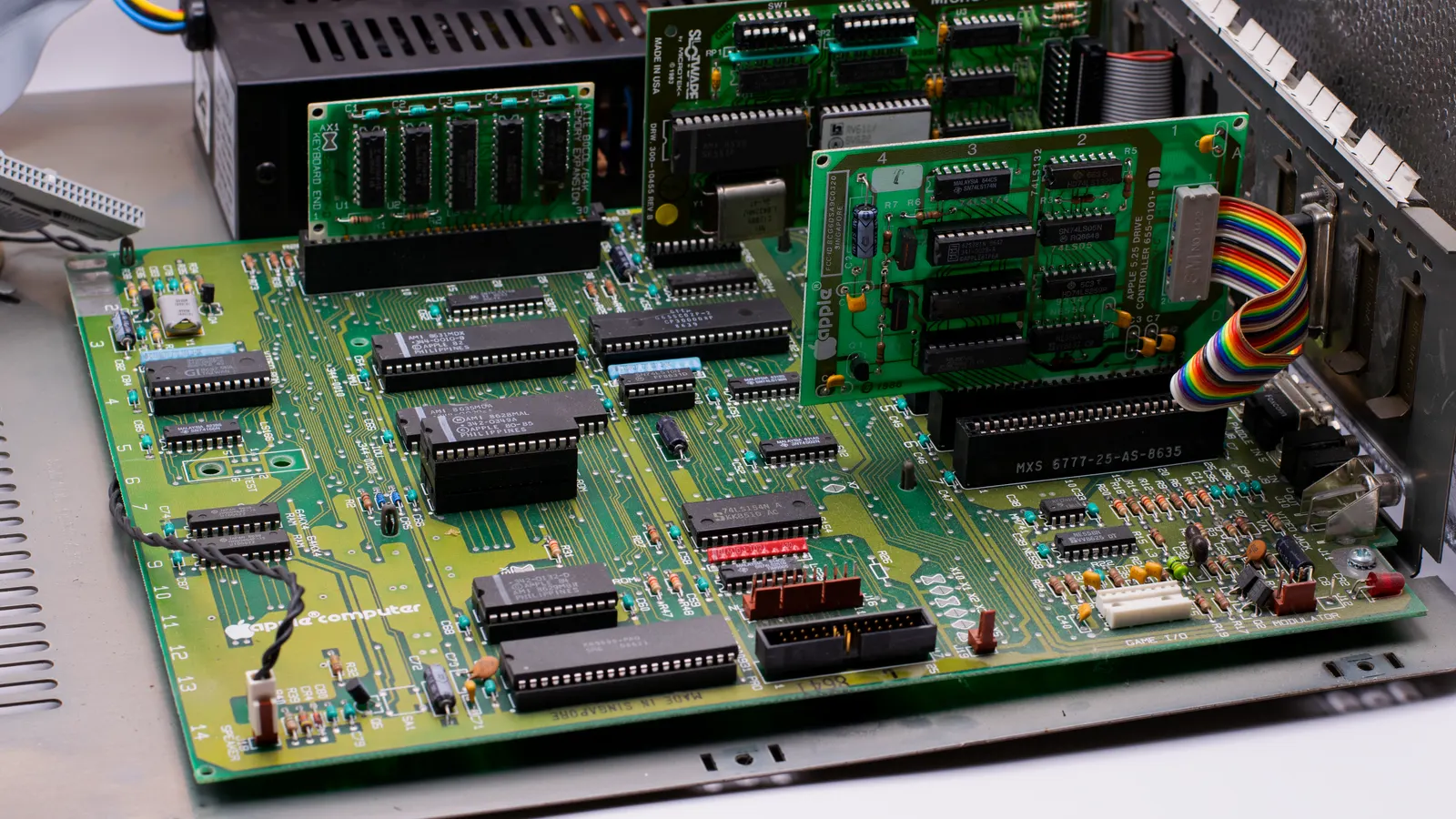
Procurement managers should plan for smaller footprints, tighter tolerance demands, and supply chain changes in passive components. This guide outlines five practical shifts, from advanced ceramic formulations to reworked BOM structures, and provides a preparation checklist.
- Miniaturization is moving from a design goal to a mandatory constraint for thermal and space management.
- Reliability testing is expanding beyond standard temperature cycles to include vibration and mechanical stress.
- Sourcing strategies must shift from single-source to multi-source with local inventory buffers.
- Data-driven BOM management is required to track material and packaging changes.
- Early engagement with suppliers is critical for managing new material and process risks.
Miniaturization has moved from a design preference to a hard constraint on passive component supply chains. As board density rises and thermal budgets tighten, components must shrink without losing performance or reliability. This shift changes how buyers qualify parts, how suppliers allocate capacity, and how risk is managed across the lifecycle.
Procurement managers cannot plan by watching only component prices. They must watch materials science, packaging methods, and testing protocols. The following five shifts define the current direction.
Shift 1: The Push for Smaller Footprints
The primary driver of miniaturization is board space. High-frequency modules, automotive ECUs, and consumer electronics demand dense layouts. Components like chip capacitors and resistors are moving to smaller packages. A 0402 package is already common in many applications. The next step is 0201 and smaller.
Smaller packages change the assembly process. Placement machines need higher precision to pick and place parts. Solder paste deposition becomes more critical because the paste volume must be exact to ensure wetting without bridging. Reflow profiles must be adjusted to prevent cold joints on tiny pads. A profile that works for a 0805 resistor may underheat a 0201 component. The buyer must understand how these process changes affect yield.
For sourcing, this means qualifying new package sizes. A supplier might offer a 0402 version of a popular capacitor. The 0201 version may have the same dielectric material but a different body construction. The dielectric thickness might be thinner to fit the smaller footprint. The tolerance might be slightly wider because the smaller die area is harder to control. The buyer must verify these differences. A part that looks identical on the datasheet may behave differently in the field due to physical constraints.
The trend continues toward even smaller packages. This affects component selection. A part that fits in an 0805 footprint may not have a direct equivalent in 0201. The buyer must allow more time for qualification. They must also expect price changes. Smaller packages often have higher unit costs due to lower yield and higher handling complexity. The manufacturing process is slower, and the risk of damage during handling is higher.
Shift 2: Advanced Materials for Thermal Stability
Reliability in high-temperature environments is a growing concern. Passive components operate in close proximity to power devices. The thermal stress is constant. Standard ceramic materials may not hold up under these conditions. The thermal expansion mismatch between the component and the substrate can cause cracking over time.
New ceramic formulations are being developed. These materials offer better thermal expansion matching with the substrate. They also improve dielectric strength. For capacitors, this means less change in capacitance with temperature. For inductors, it means lower Q factor variation. These material improvements directly affect signal integrity and power efficiency.
The impact on procurement is significant. When a new material is introduced, it may not be immediately available. Suppliers need time to ramp up production. Buyers should qualify these materials early. They should not wait until the product is in full production. Early qualification allows for adjustments to design and testing before mass production begins.
Testing is the key. Standard temperature cycling tests may not reveal the true impact of new materials. Extended life testing is needed. This involves running components at high temperatures for long periods. The data from these tests must be reviewed carefully. Look for drift in parameters, not just immediate failure. A small drift in capacitance can accumulate over months and cause a system failure.
Buyers should ask suppliers about material changes. A change in ceramic material, even if the part number remains the same, can affect performance. This is a common source of quality issues. The supplier must disclose these changes. The buyer must re-qualify the part. Clear communication about material changes is a basic requirement in modern procurement.
Shift 3: Reliability Beyond Standard Testing
Standard reliability testing covers temperature cycling, humidity, and vibration. This is the baseline. The future requires more. Components are being exposed to mechanical stress from assembly and handling. They are also exposed to thermal gradients that standard tests do not capture. Rapid heating and cooling can cause internal damage that standard slow-cycle tests miss.
New testing methods are emerging. These include thermal shock testing, which simulates rapid temperature changes. They also include dynamic vibration testing, which mimics the stress from automotive and aerospace environments. These tests provide a clearer picture of how a component will perform in the field.
For procurement, this means updating qualification requirements. The current test plan may be insufficient. Buyers should review their test specifications with suppliers. They should ask about the capability of the supplier to perform these tests. If a supplier cannot perform thermal shock testing, they may need to outsource it or partner with a third party.
The cost of testing is higher. The time required is longer. But the risk of failure in the field is greater. A component that passes standard testing but fails under thermal shock will cause field returns. The cost of returns is higher than the cost of testing. Field failures also damage the brand and require engineering attention to diagnose and fix.
Buyers should invest in better testing infrastructure. They should also work with suppliers to define the right test parameters. The goal is to match the test to the real-world application. This requires a deep understanding of the use case. Knowing where the component sits on the board and what thermal and mechanical stresses it faces is critical for defining the correct test profile.
Shift 4: Supply Chain Diversification
The supply chain for passive components is global. Manufacturing is concentrated in a few regions. This concentration creates risk. Geopolitical changes, natural disasters, and logistics disruptions can interrupt supply. A single point of failure can halt production for weeks.
The future direction is diversification. Buyers are sourcing from multiple regions. They are also building strategic inventory. This is not a one-time decision. It is an ongoing strategy. Strategic inventory must be managed carefully to avoid obsolescence, but it provides a buffer against unexpected disruptions.
For procurement, this means expanding the approved supplier list. It means qualifying new suppliers. It means negotiating longer-term agreements. It also means understanding the risk profile of each supplier. A supplier with a single manufacturing site carries more risk than one with multiple facilities.
A supplier in one region may have a different risk profile than a supplier in another. The buyer must assess these risks. They must also monitor the supply chain. Early warning signs can help. These include lead time changes, price increases, and allocation constraints. Tracking these signals allows buyers to act before a shortage becomes critical.
Buyers should not rely on a single supplier for critical parts. They should have a backup plan. This plan should be tested. It should be documented. It should be accessible to the team. A backup supplier that has never been qualified is not a real backup.
Shift 5: Data-Driven BOM Management
The complexity of passive components is increasing. The number of part numbers is growing. The variations in materials and packages are expanding. Manual management is no longer sufficient. Spreadsheets and email chains cannot handle the volume and variability of modern BOMs.
Data-driven BOM management is the answer. This involves using software to track part numbers, materials, suppliers, and test data. It also involves using data to predict risks. The software should link a part number to its specific material lot, supplier, and test results. This creates a traceable history for every component.
For procurement, this means investing in better systems. It means training the team. It means defining the data standards. The goal is to have a single source of truth for all component data. If a supplier changes a material, that change should be visible in the system and trigger a review.
This data should be shared across the team. Designers, buyers, and quality engineers should all have access to the same information. This reduces errors. It also speeds up decision-making. When a part is approaching end-of-life, the system should flag it, and the team can immediately see which products are affected.
Buyers should look for tools that can handle the complexity. They should also consider the cost of implementation. The investment should be weighed against the risk of errors. The goal is to reduce risk and improve efficiency. A well-managed BOM database can save hours of manual checking and prevent costly mistakes.
Preparation Checklist
- Review current BOM for parts that are approaching end-of-life or have limited availability.
- Identify critical parts that require multi-sourcing.
- Update qualification criteria to include new testing methods.
- Engage with suppliers to discuss material and packaging changes.
- Implement data-driven BOM management tools.
The future of passive components is defined by smaller size, higher reliability, and greater complexity. Procurement managers must plan for these changes. They must be proactive, not reactive. The goal is to ensure a stable supply of high-quality components. This requires a shift in strategy. It requires a shift in mindset. The time to act is now.
Table of Component Trends
| Trend | Impact on Sourcing | Preparation Required |
|---|---|---|
| Miniaturization | Higher unit costs, longer qualification | Qualify new packages, adjust test plans |
| Advanced Materials | Material changes, performance shifts | Re-qualify parts, review test data |
| Reliability Testing | Higher testing costs, longer timelines | Update test specifications, invest in infrastructure |
| Supply Chain Diversification | Expanded supplier list, strategic inventory | Qualify new suppliers, negotiate agreements |
| Data-Driven BOM | Investment in tools, training | Implement systems, define data standards |
The table above summarizes the key trends and the actions required. Each trend has a specific impact on sourcing. Each impact requires a specific preparation step. The buyer must address all of these steps. The goal is to reduce risk and ensure a stable supply. The process is continuous. It requires ongoing attention and adaptation.
Frequently asked questions
How does miniaturization affect component cost?
Smaller packages often have higher unit costs due to lower yield and higher handling complexity. The total cost of ownership may also increase due to the need for more precise assembly equipment and extended qualification.
What are the risks of using new ceramic materials?
New materials may not be immediately available and may require extended life testing. A change in material, even if the part number remains the same, can affect performance and reliability.
How can buyers manage supply chain risk?
Buyers should diversify suppliers, build strategic inventory, and monitor lead times and price changes. They should also qualify backup suppliers and test the backup plan regularly.
What is the benefit of data-driven BOM management?
It provides a single source of truth for component data. It reduces errors, speeds up decision-making, and helps predict risks. It also enables better coordination across design, procurement, and quality teams.
How long does qualification take for new components?
Qualification time depends on the complexity of the part and the required testing. It can take several months. Buyers should plan for this lead time and start qualification early. ===END===